
How to Budget for a Renovation (Without Losing Your Mind)
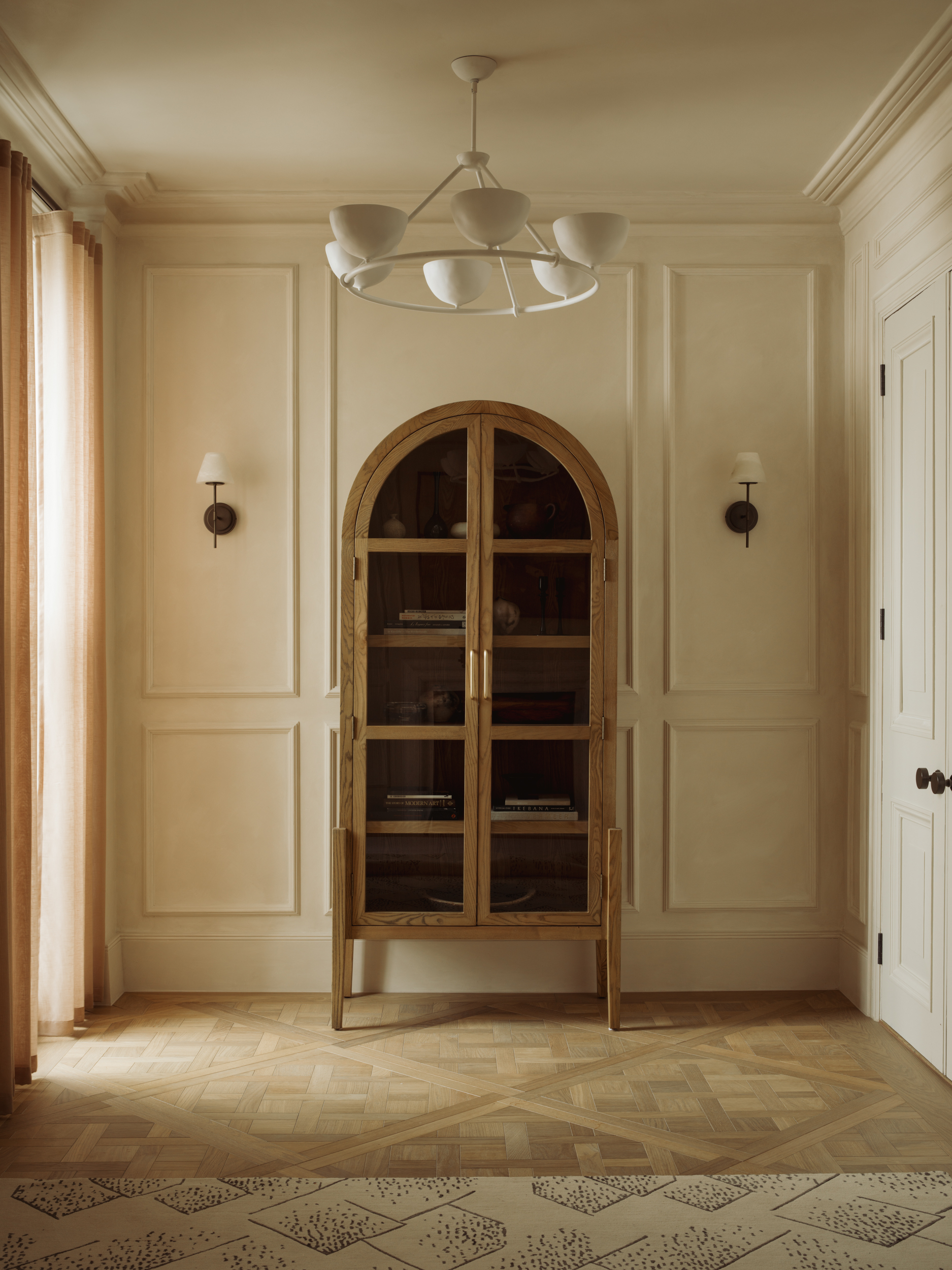

The TXTURED Guide to Budgeting for a Renovation: What Nobody Tells You Until It’s Too Late
I’ll be completely upfront with you. I have just moved house, and everything I’m about to write comes from a very real, very recent place. The spreadsheets, the contractor calls, the moment you realise the kitchen you fell in love with is going to cost twice what you initially anticipated. I’ve lived it. And because I came to this project with years of experience planning and delivering renovations for clients, I knew exactly what to prepare for. None of the surprises caught me off guard. What I want to do here is share the frameworks that made that possible, because a well-prepared homeowner makes for a far smoother, more enjoyable renovation.
Whether you’re taking on a period home renovation in Cheshire, a full house refurbishment in Wilmslow, or transforming a semi in Hale, the financial principles are largely the same. Here is what I know!
Start With the Number You’re Comfortable Losing
This sounds counterintuitive, but bear with me. Before you think about what you want to do, get very honest with yourself about what you can genuinely afford to spend , and what the worst-case scenario looks like if costs run over. Because they will run over. Not because contractors are careless or dishonest, but because renovation is an inherently unpredictable process, especially in older properties.
When I started planning my own renovation, I had a number in my head. Then I had a survey. Then I had a conversation with a structural engineer. Then I had a completely different number in my head. The earlier you establish your true upper limit, the better every subsequent decision becomes.
One less obvious thing worth doing at this stage: speak to a local estate agent before you commit to a budget ceiling. Understanding the ceiling value of comparable properties in your area stops you over-capitalising. I had this conversation early on, and it genuinely shaped how I allocated spend across the project. There’s no point investing £80,000 in a renovation on a street where the uplift will only support £40,000 of it.
Break Your Budget Into Categories, Not Just a Total
One of the most common mistakes homeowners make is treating the renovation budget as a single pot. It isn’t. A well-structured budget should be broken down into clear categories so you can see where the money is going and where there might be room to flex.
Think in terms of: structural and building works, first fix (electrics, plumbing, heating), second fix (plastering, flooring, joinery), finishes (tiles, paint, hardware), furniture and fittings, and fees (architect, structural engineer, planning if required). Professional services like bespoke joinery deserve their own line. Lumping everything together makes it almost impossible to understand where overspend is happening until it’s too late.
When I was planning my own project, breaking the budget this way revealed something I hadn’t expected. I was underinvesting in the areas that would have the most day-to-day impact, and over-allocating to things that could wait. Seeing it itemised changed my priorities entirely.
Something most people don’t thin kto include as its own budget line: temporary living costs. If your renovation means you can’t occupy part of the house, or the whole house, for a period of time, that has a real financial cost. Storage, rental, hotel stays, even just eating out more because the kitchen is out of action. On my own project, I underestimated this by a meaningful amount. It didn’t derail anything, but it’s a number I wish I’d built in from the start rather than absorbed elsewhere.

The 20% Rule (And Why You Should Take It Seriously)
Almost every experienced designer, architect or builder will tell you the same thing: add a 20% contingency to your budget. Period homes in particular have a habit of revealing surprises the moment walls come down or floors come up. When I opened up a section of my property, I found a drainage issue that nobody could have predicted from the outside. Not catastrophic. But it needed immediate attention and came directly out of the contingency. Without it, I’d have had a very uncomfortable conversation about what to cut elsewhere.
If the 20% feels too steep for your overall budget, consider where the biggest unknowns lie in your project and weight the contingency towards those areas. Structural and service-related work carries the most risk. Decorative finishes, the least.
Something contractors rarely volunteer upfront: the contingency conversation works both ways. On one part of my project, work came in under budget because a structural element turned out to be in better condition than anticipated. That saving went straight back into the contingency pot rather than being redeployed immediately. Protecting that buffer until practical completion is one of the most important financial disciplines in any renovation.
Understand the Difference Between Cost and Value
Not all spending in a renovation is equal. Some investments add significant value to your home and your quality of life. Others are satisfying in the moment but have little lasting impact. Part of budgeting well is knowing which is which.
The areas that consistently deliver the greatest return, both in terms of property value and daily enjoyment , are kitchens, bathrooms and the quality of craftsmanship throughout. Bespoke joinery is something clients across Cheshire tell us made the biggest difference to how their home feels. A well-crafted boot room, fitted wardrobe, or library unit elevates a renovation from a nice refurbishment to something genuinely exceptional.
Conversely, spending heavily on trends that date quickly is rarely where budgets are best directed.
The less obvious version of this principle is about infrastructure versus aesthetics. Spending money on better quality pipework, wiring, or insulation is never the exciting conversation, but it’s almost always the right one. On a project we worked on in Alderley Edge, the clients wanted to redirect budget away from a heating system upgrade towards decorative finishes. We talked them out of it. A couple of years on, they cite that as one of the best decisions of the whole project. The things you can’t see in a finished home often matter more than the things you can.
Get Three Quotes. Then Ask Better Questions
The advice to get three quotes is so well known it almost goes without saying. But what matters more than the number of quotes is the quality of the conversations you have around them.
When comparing quotes, ask each contractor to give you an itemised breakdown rather than a single total. Ask what is included in their price and what isn’t. Ask how they handle variations - changes to the scope that arise during the project. Ask what their payment schedule looks like and whether they use subcontractors. These questions reveal more about how a contractor operates than any number or recommendation alone.
One thing I learned the hard way: the lowest quote is not always the best value. On one element of our project, the most competitive price came with assumptions baked in that would have generated significant variations down the line. The mid-range quote was the cleaner, more reliable option. Paying slightly more upfront for clarity is worth it.
One question that almost nobody thinks to ask: what does their programme look like, and what happens if they overrun? A contractor who can’t give you a clear timeline, or who is vague about what overrun looks like in practice, is telling you something important. Early in my own project, one contractor’s answer to that question was essentially ‘we’ll cross that bridge when we come to it.’ I didn’t proceed. The contractor I did appoint had a detailed programme from day one, and they stuck to it.
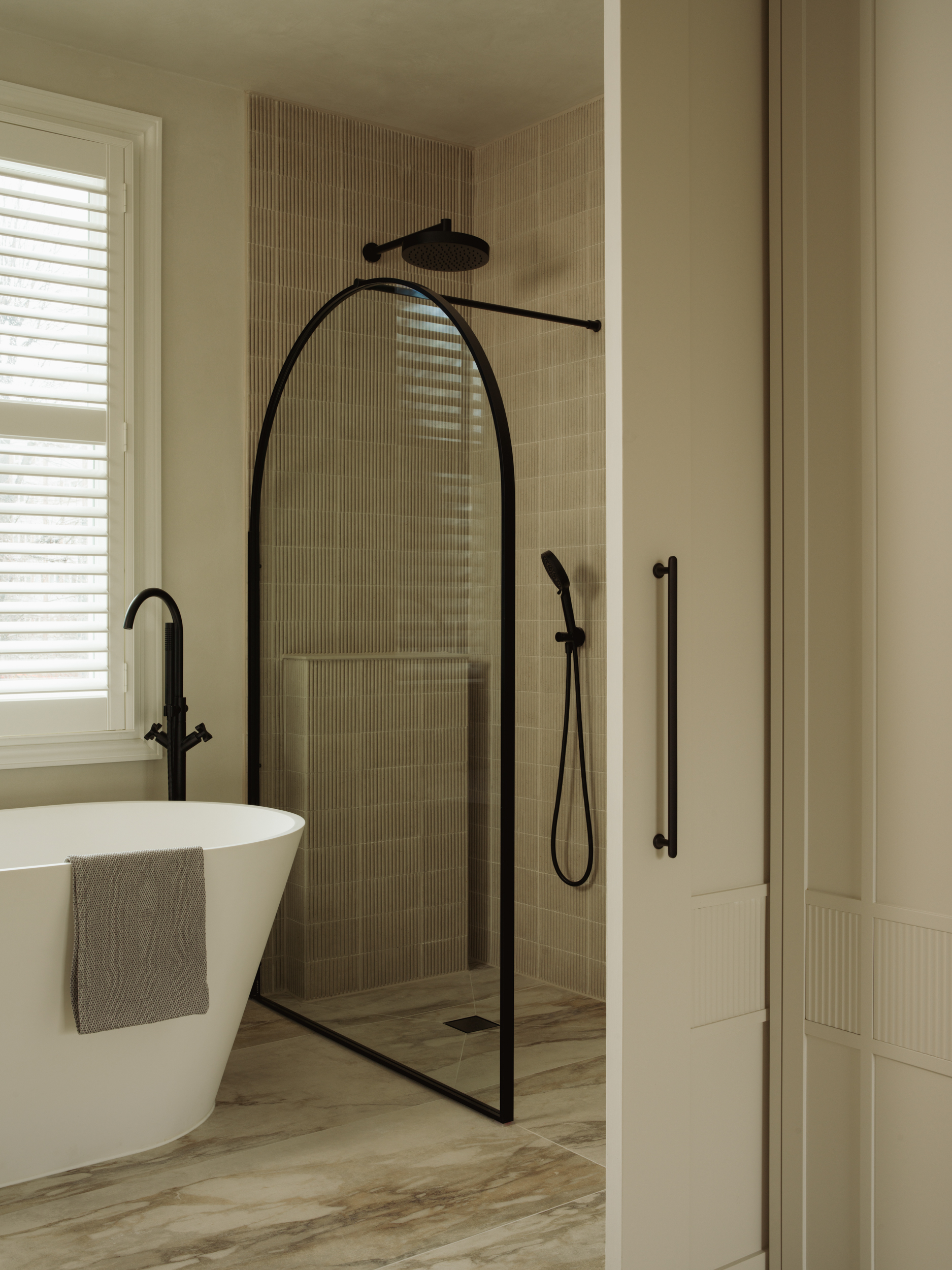
Don’t Forget the Costs That Come After
Renovation budgets tend to focus on the build, and it’s easy to forget that costs follow once the contractors have left. Furniture, window dressings, lighting, art, plants, accessories.These aren’t trivial amounts, particularly if you’re working towards a high-specification interior.
For a luxury interior design project in Cheshire, the finishing layer — the things that make a space feel complete and considered — can represent a meaningful proportion of the overall investment. Building a realistic allowance for this at the outset avoids the disappointment of a beautifully renovated shell that takes years to feel finished because the furnishing budget ran dry.
There’s also a category of post-renovation costs that catches people completely off guard: snagging. Even on well-managed projects, there will be a list of minor defects, adjustments and incomplete items to work through once the main contractors have left. Most reputable contractors will return to address these at no additional cost, but the process takes time, and occasionally items fall outside the original scope. Building a small snagging allowance into your budget, even just a few thousand pounds, means you’re not dipping back into savings six months after completion.
Phase the Work If You Need To
Not every renovation has to happen at once. Phasing a project across months or even years is a completely valid approach, and for many homeowners it’s the most financially sensible one. The key is sequencing the phases correctly so that earlier work doesn’t have to be undone to accommodate later decisions.
A good design partner will help you think through a phasing strategy that protects the integrity of the overal lvision while allowing you to spread the financial commitment. We do this for clients regularly, particularly on larger period home renovation projects where the scope is significant and the timeline needs to fit around family life.
The mistake we see most often with phased projects is making decorative decisions too early in the process.Choosing floor finishes before you know where the heating runs are going, or specifying bathroom tiles before the layout has been properly resolved. On a project in Prestbury, a client had already purchased a significant quantity of reclaimed stone flooring before we were appointed. Beautiful material , but it wasn’t compatible with the underfloor heating system we needed to install. The cost of that mismatch, both financially and emotionally, could have been avoided entirely. With phased projects especially, the design logic has to stay ahead of the purchasing decisions.
Ready to Renovate? Let TXTURED Take Care of Everything
Budgeting well is the foundation of any successful renovation. But even the most carefully constructed budget benefits from having the right team in your corner from day one. At TXTURED, that’s what we do.
We work with homeowners across Cheshire, Hale, Wilmslow, and the wider North West to deliver turnkey renovation projects from concept through to completion. Our approach to luxury interior design means that every decision, from structural changes to the smallest decorative detail, is made with the whole picture in mind. We manage the build and design, contractors, bespoke joinery makers and suppliers on your behalf, so you get a resolved, considered home without the stress of coordinating it yourself.
Whether you’re embarking on a full period home renovation or transforming a single space, we’d love to talk. Visit us at www.txtured.studio to find out more about how we work and to begin your renovation journey.
Your home should feel exceptional from the moment you walk through the door. Let’s make sure it does.
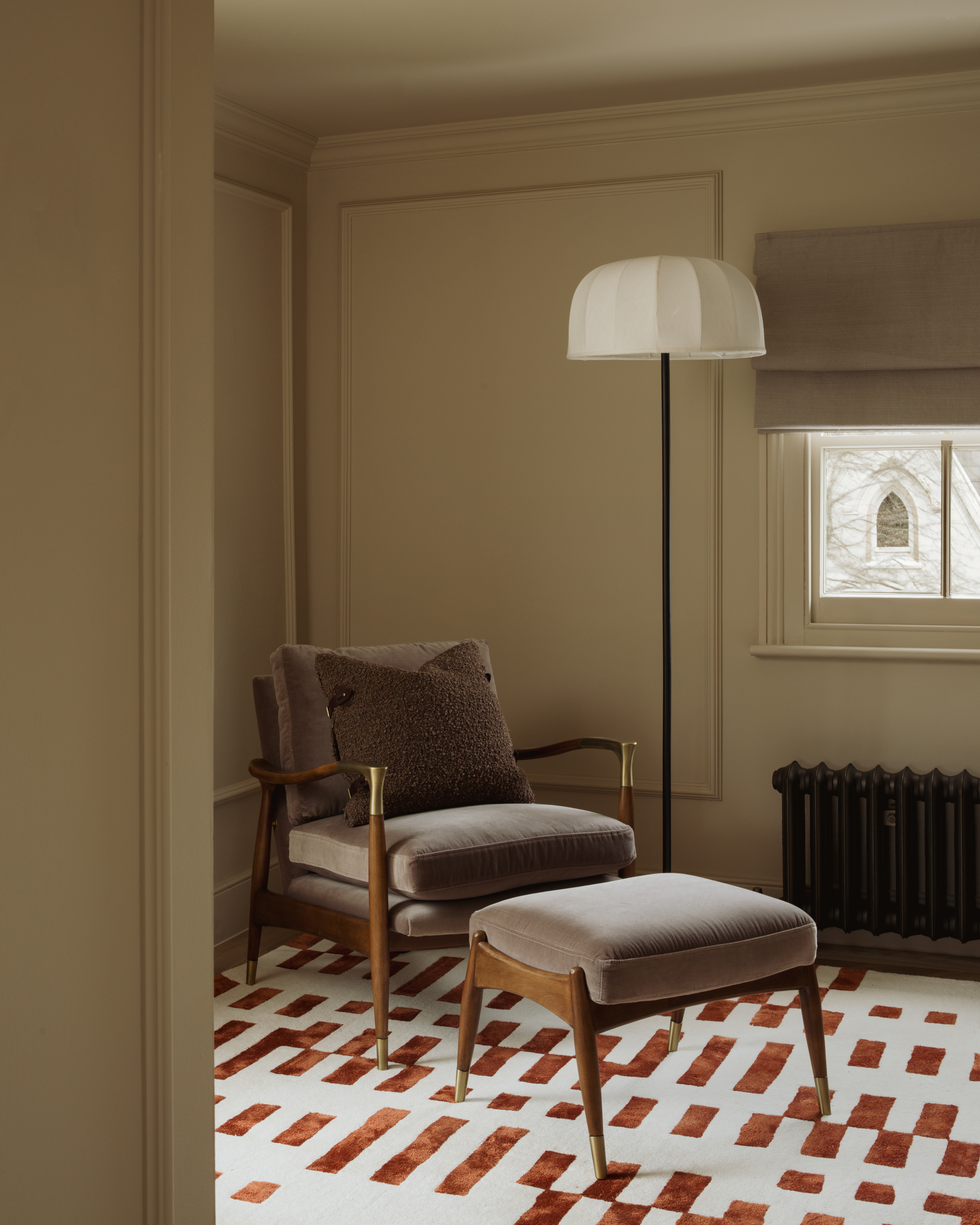
Renovation Budgeting: YourQuestions Answered
We hear a lot of the same questions from homeowners at the start of their renovation journey. Here arethe ones that come up most often.
How much should I realistically budget for a full house renovation in Cheshire?
This varies enormously depending on the size and condition of the property, the specification you’re working towards, and whether structural work is involved. As a broad guide, a high-specification full refurbishment in Cheshire will typically range from £1,500 to £3,000 per square metre for the build alone, before furniture, fittings and fees. Period properties at the upper end of the market can exceed this significantly. Get a proper survey and early contractor conversations before anchoring to any number. The figures you find online rarely reflect the reality of a well-executed luxury renovation.
What’s the biggest mistake homeowners make when budgeting for a renovation?
Conflating the build budget with the total project cost. The build is only one part of the picture. Professional fees, furniture, window dressings, lighting, landscaping, temporary accommodation and snagging all sit on top of the construction costs. Budget only for the build and you’ll likely find yourself unable to finish the project to the standard you envisioned, or forced to compromise on the very detail sthat would have made it exceptional.
Do I really need an interior designer, and does it save money in the long run?
For straightforward projects, possibly not. But for anything complex — a period home, a multi-room refurbishment, or a project where the brief involves both structural change and high-specification finishes — a good design partner will almost always save you more than their fee. The savings come from avoiding costly specification mistakes, managing contractor relationships effectively, and making decisions in the right order. The Prestbury flooring story above is a good illustration of what happens when purchasing decisions get ahead of the design.
How do I know if a contractor’s quote is reasonable?
Get three itemised quotes and compare them line by line, not just as totals. A significant gap between the lowest and highest quote usually means assumptions differ rather than quality differs. Ask each contractor to walk you through their numbers. Pay particular attention to how they handle variations. This is where costs escalate on poorly managed projects. A contractor who is transparent about their process at the quoting stage is generally more reliable once work begins.
When is the right time to start thinking about furniture and fittings?
Much earlier than most people expect. Ideally from the very first design conversations. The finishing layerof a renovation needs to be considered as part of the overall design from the outset, not as an afterthought once the build is complete. Lead times on bespoke furniture and quality pieces can be substantial, sometimes twelve to sixteen weeks or longer. Order too late and you’ll find yourself living in a well-renovated but sparsely finished home for longer than you’d like. Budget for furnishings at the start, too. It’s the surest way to make sure they actually happen.
Is it worth renovating before selling, or should I leave it for the buyer?
Depends on the property, the market, and the extent of the work. Minor improvements — fresh paint, updated fixtures, a refreshed kitchen or bathroom — can meaningfully improve saleability and price. Major structural renovation is a different calculation,and one where the estate agent conversation we mentioned earlier becomes essential. Properties presented with a high standard of finish and a coherent interior consistently outperform comparable properties left in need of work, particularly at the upper end of the Cheshire market. But the numbers need to stack up first.