Why Zellige Tiles Are Having a Major Moment And What Alicia Silverstone’s Kitchen Gets Exactly Right
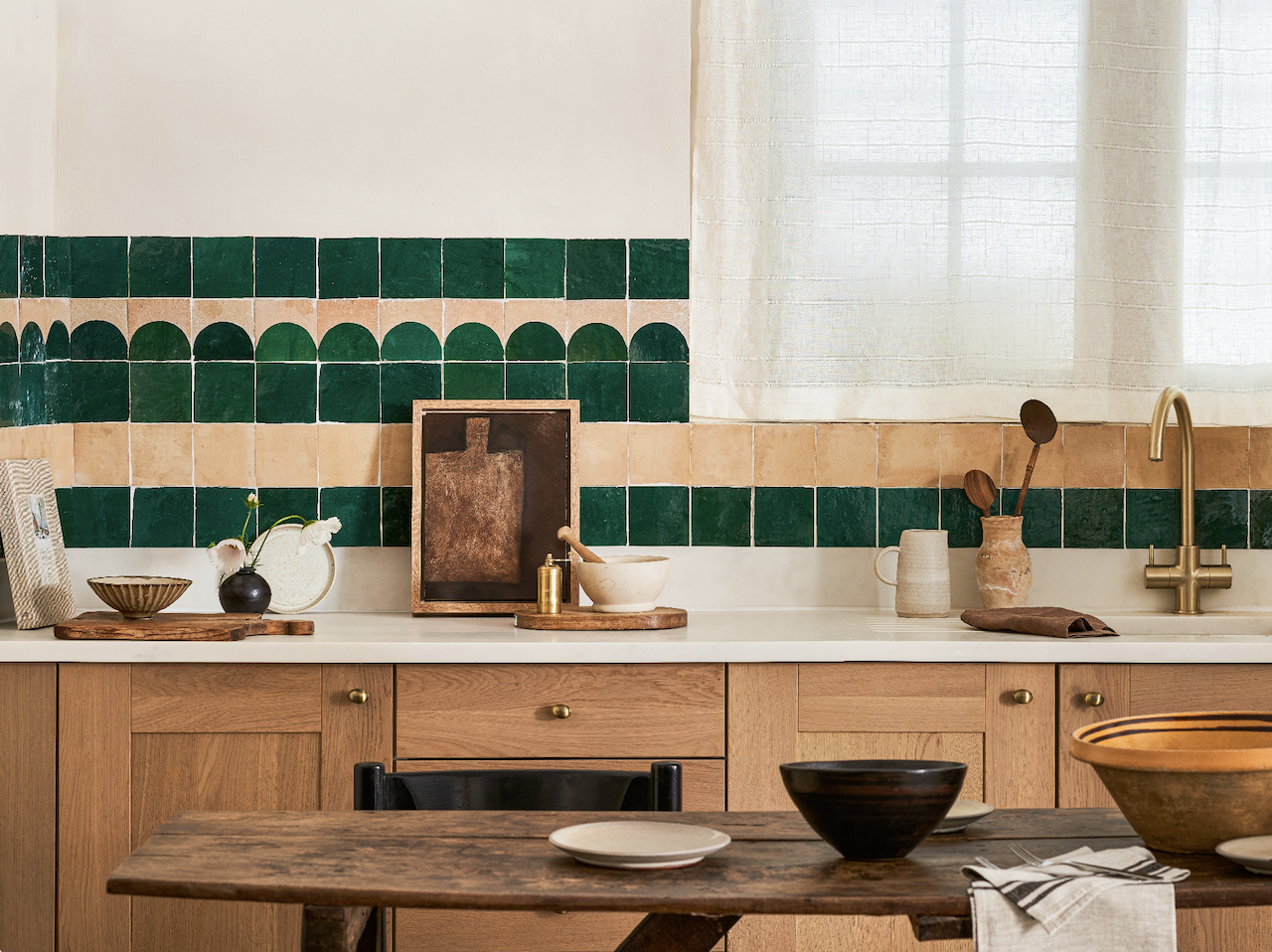
A TXTURED designer’s guide to choosing, styling and installing Moroccan Zellige tiles as we head into 2026
Zellige has hovered at the edge of trend conversations for years, admired,referenced, bookmarked, but as we step into 2026, Moroccan Zellige tiles are no longer emerging. They’ve arrived.
The appeal is immediate and unmistakable. Run your hand across a single tile and you feel everything that modern interiors have been missing: the cool claybody, the gently uneven edges, the glazed surface that shifts between gloss and matt depending on the light. These handmade Moroccan tiles don’t just cover a wall, they animate it.
After a decade dominated by ultra smooth minimalism, Zellige offers the opposite: warmth, tactility, movement and a deeply human touch.
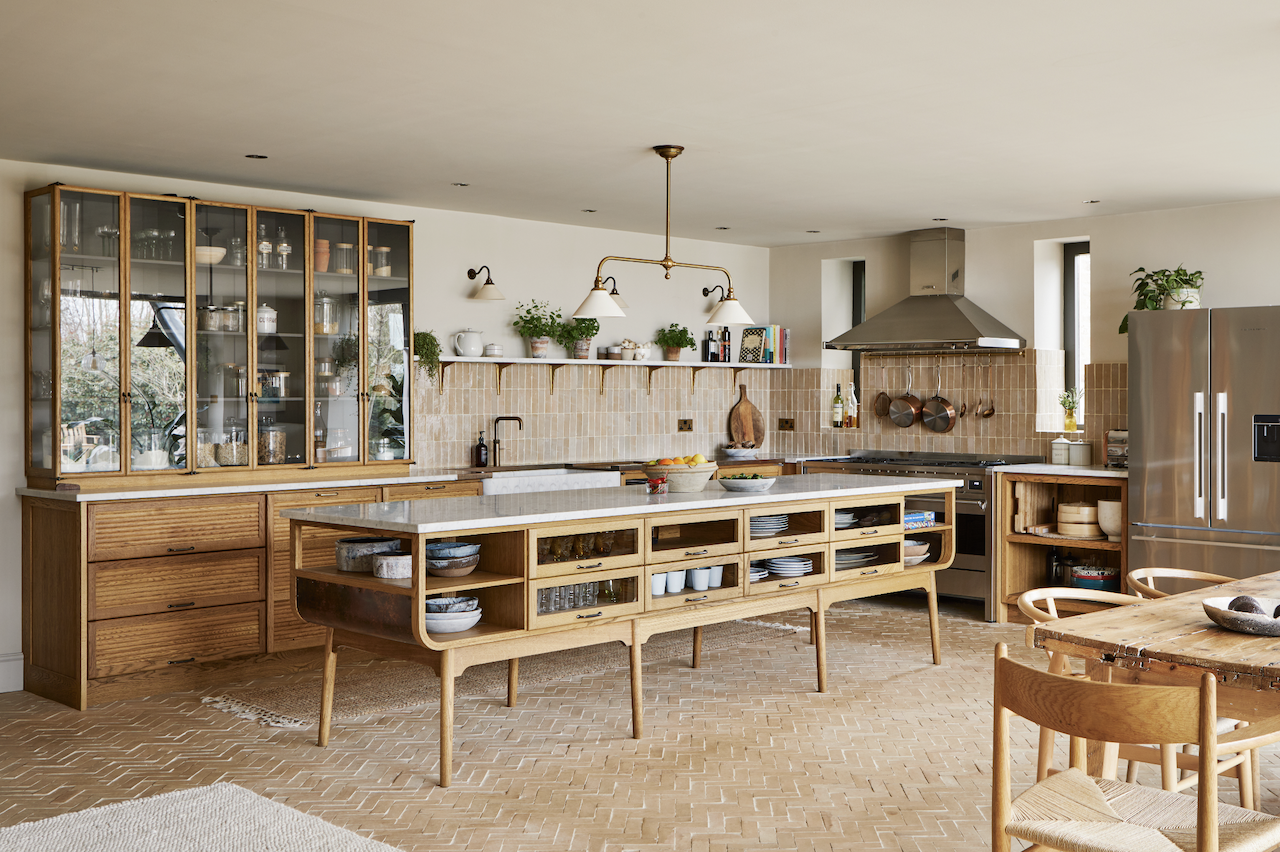
Alicia Silverstone’s Kitchen: A Masterclass in Effortless Luxury
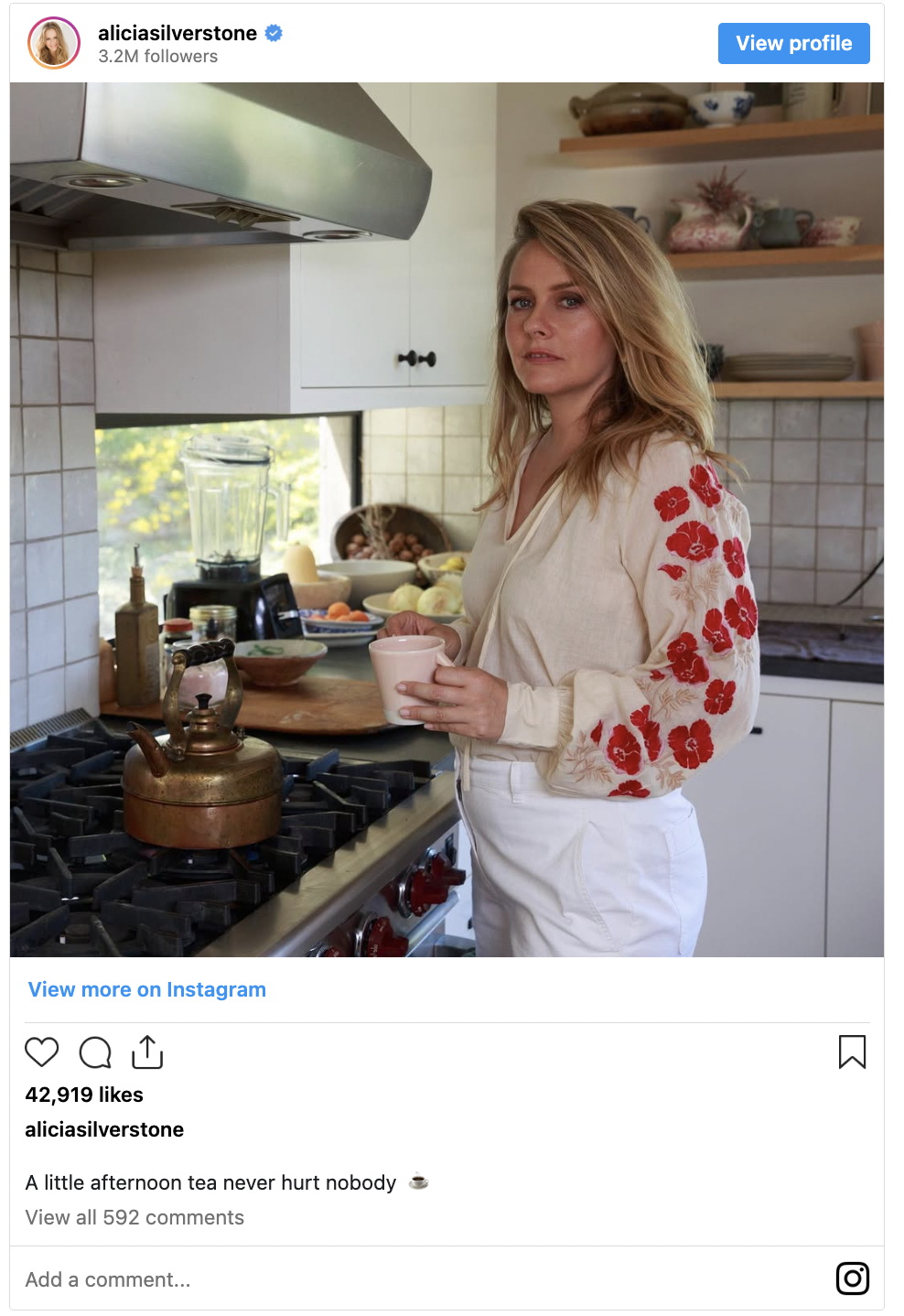
When Homes & Gardens spotlighted Alicia Silverstone’s beautifully serene kitchen, with commentary from TXTURED, it instantly set the new standard for contemporary Zellige design.
Her choice of soft white Moroccan Zellige achieves that perfect balance:artisanal enough to feel crafted, gentle enough to maintain a calm, cohesive palette. The glaze doesn’t demand attention, yet the space subtly glows from morning to evening.
👉Read the Homes & Gardens feature here: Alicia Silverstone's zellige kitchen
Alicia’s kitchen captures the TXTURED ethos perfectly:
Zellige tiles don’t decorate a space, they energise it.
What Are Moroccan Zellige Tiles?
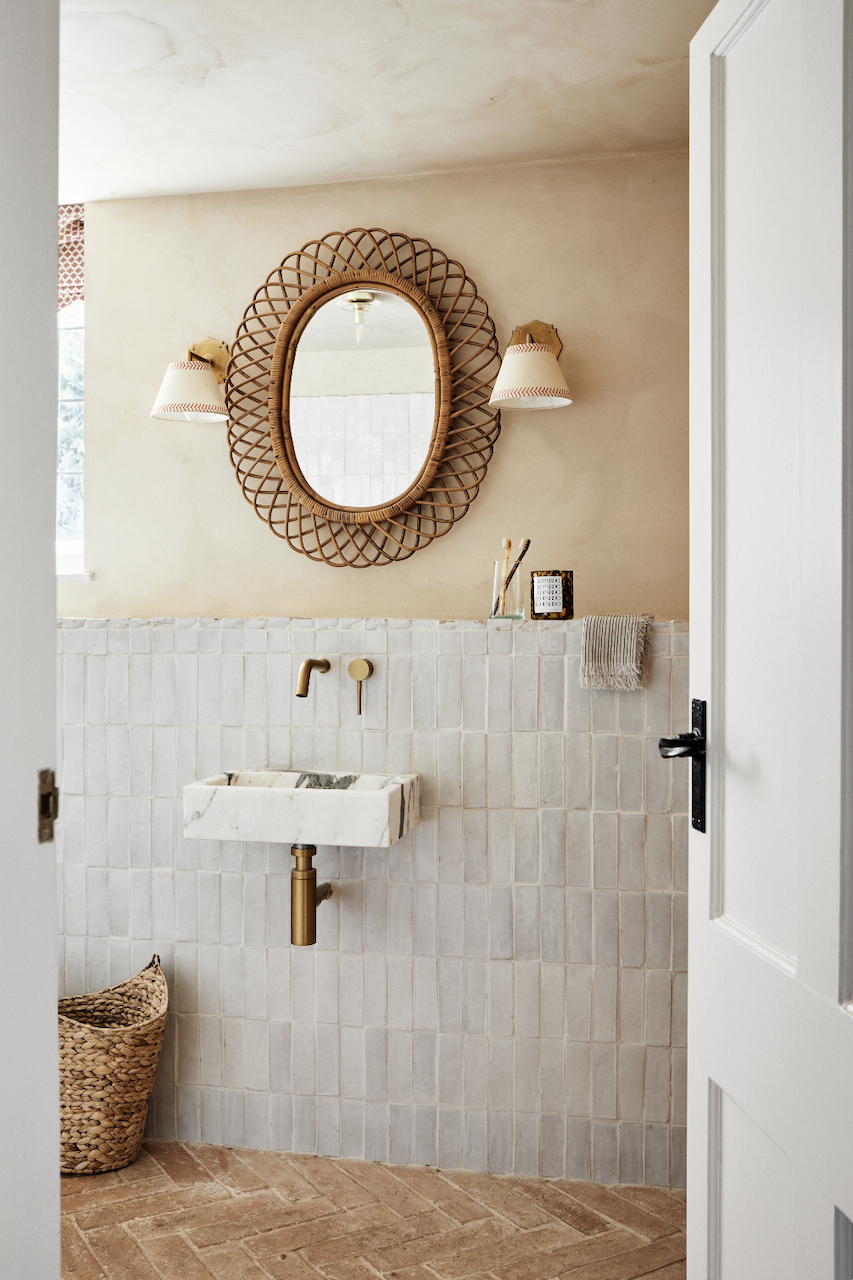
A quick, crystal-clear definition:
Zellige is a traditional Moroccan tile made from natural clay, hand shaped, hand cut, hand glazed and fired using centuries old methods. These handmade Moroccan tiles are prized because no two pieces ever look the same. Every tile is inherently unique. The ripples, tonal shifts, and uneven edges aren’t flaws,they are the design language.
Why Designers (and TXTURED) Are Obsessed With It
Crafted individually by artisans in Fez, Zellige’s beauty lies in its natural irregularity.
Each tile offers:
• soft ripples that capture and reflect light
• organic tonal variation that adds depth
• edges that subtly shift and create movement
• an authenticity no machine made tile can replicate
As I shared with Homes & Gardens:
“Zellige tiles bring movement and depth. They make a kitchen feel elevated without ever trying too hard. The irregularity isn’t a flaw, it’s what gives aspace life.”
Simon Mayhew, Founder of TXTURED
How to Choose the Right Moroccan Zellige Tile: A TXTURED Designer’s Guide for 2026
1. Choose a Colour That Sets the Mood
Soft Neutrals: ivory, sand, cream, warm white
Calming, bright, and timeless. Ideal for kitchens, bathrooms and compact spaces.
Blues and Greens:
Grounding, atmospheric, richly artisanal. Excellent for showers, feature walls and moodier schemes.
Dark Tones: ink, forest, charcoal
Architectural and cocooning. Best in larger rooms or where layered lighting isa priority.
2. Select Your Variation Level
What “variation level” means: Zellige tiles naturally differ in tone, glaze thickness and texture. Variation level describes how dramatic or subtle those differences appear across a wall.
Here’s the clarity you needed:
• Low Variation: refined, subtle, serene
Tones are closely matched, creating a calmer, more uniform look while still feeling handcrafted.
• Moderate Variation: the classic Zellige balance
Noticeable differences in tone and ripple, but still harmonious. The ideal middle ground for most homes.
• High Variation: expressive, bold, richly textured
Strong tonal shifts and dramatic glaze differences. A striking, artisanal statement for clients who want wow.
TXTURED typically recommends moderate variation, it feels authentic without overwhelming the space.
3. Consider Size and Format:
Format transforms the aesthetic entirely:
• 10×10cm square: the traditional Moroccan look
• 5×15 or 6×20cm rectangle: modern, elegant, softly elongated
• Slim brick: contemporary, European, architectural
• Bejmat (thicker rectangle): perfect for floors or tactile statement walls
4. Gloss or Matt?
Choosing between gloss and matt is all about the mood you want to set, whether it is light-catching drama to soft, grounded calm.
Gloss
• Reflective, luminous
• Enhances movement and tonal depth
• Alicia Silverstone’s kitchen uses this finish
Matt
• Earthy, tactile, understated
• Great for rustic, refined, or grounded palettes
How to Install Zellige Tiles Properly: TXTURED’s Non Negotiables
1. Embrace Imperfection Completely
Zellige should never look factory-perfect. To keep that beautifully handmade feel, always mix tiles from multiple boxes, rotate them as you install and let the edges sit naturally rather than forcing straight lines. The beauty is in the irregularity.
2. Choose Grout Thoughtfully
Grout dramatically influences the final look, and with Zellige it’s one of the biggest make-or-break decisions in the whole installation. A tonal grout keeps things soft, seamless and calm, creating a continuous surface with gentle movement, while a slightly darker grout adds depth and definition, highlighting the handmade edges and elevating the texture. Steer clear of bright white unless your tiles are a crisp, true white, otherwise it can read harsh or clinical.
3. ExpectOrganic Edges
Zellige varies in thickness and shape, this is intentional. Prepare clients early so they understand the artisanal finish.
Best Places to Use Zellige Tiles
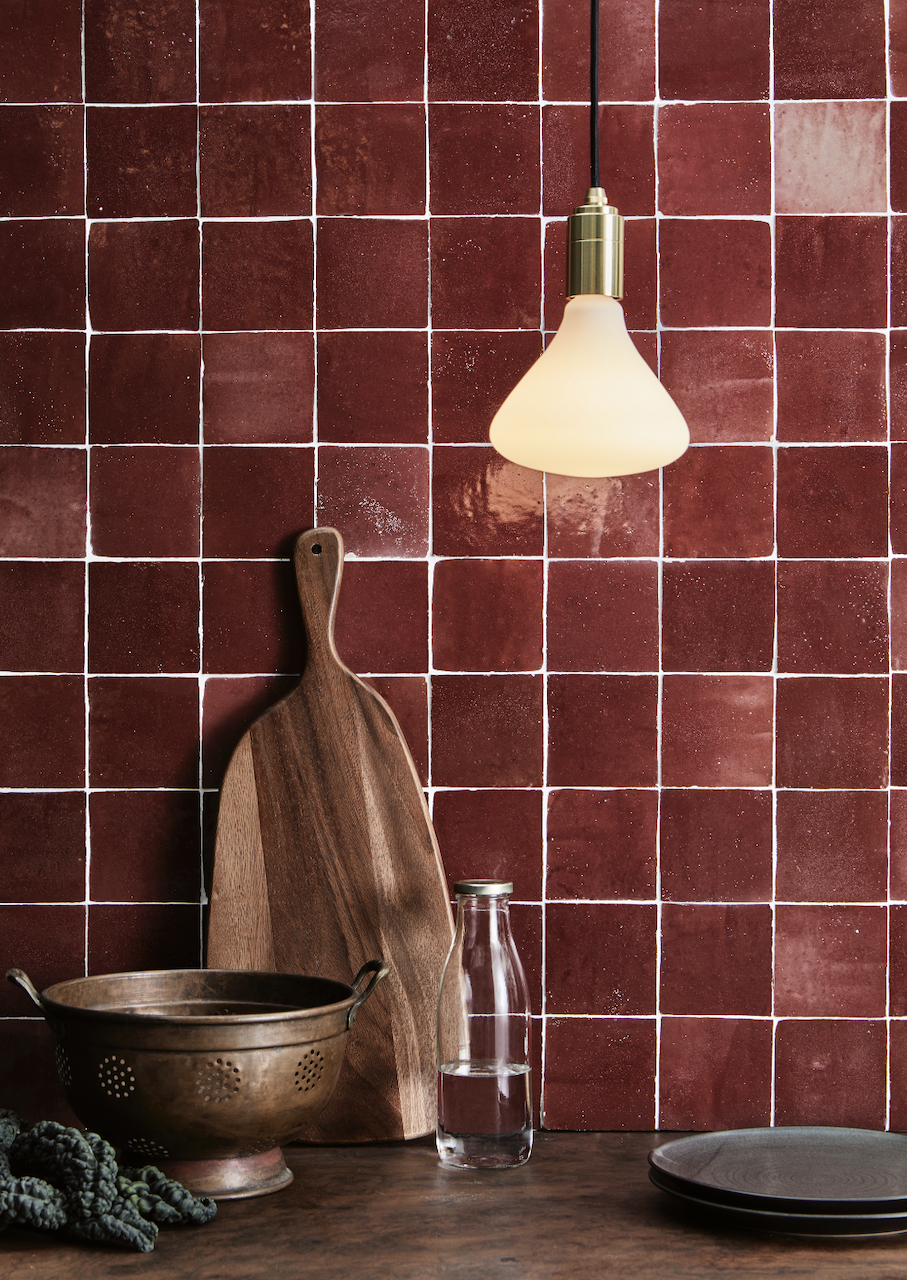
• Zellige kitchen splashbacks, especially behind cookers and sinks where the glaze catches the light
• behind open shelving
• Zellige tiles in bathrooms, particularly on shower walls where the ripples add depth
• bathroom niches and ledges lined in Zellige for a refined handmade finish
• utility rooms
• fireplaces
Even the simplest spaces feel instantly elevated.
Common Mistakes to Avoid
The biggest pitfalls to avoid are…
• expecting perfect uniformity.
• choosing grout that’s too bright or stark.
• skipping a simple 1m × 1m mock-up (a quick test patch using your real tiles and grout so you can see the true colour blend and layout before committing), forcing a perfectly aligned grid.
•over-cutting tiles; trimming too many just to make everything laser-straight removes the handmade edges and organic rhythm that make Zellige beautiful.
Where to Buy Authentic Moroccan Zellige Tiles
Choose brands that honour Moroccan craftsmanship, ethical production, and exceptional glazing.
TXTURED recommends:
• Otto Tiles' zellige collection)
• Ca'Pietra)
Look for tiles that feel alive, rippling texture, tonal richness, and aglaze with dimension.
Final Thoughts: The New Language of Luxury
As 2026 approaches, interiors are shifting toward honest materials, soulful craftsmanship, and designs that feel emotionally resonant. Zellige tiles embody this evolution.
Whether used subtly, like Alicia Silverstone’s kitchen, or taken full height for impact, Zellige introduces glow, movement and soul, the hallmarks of modern luxury.
👉 Ready to bring TXTURED style into your home?
Book a design consultation with TXTURED: Talk to us about zellige for your project
FAQ: Moroccan Zellige Tiles
Are Zellige tiles suitable for bathrooms?
Yes, they’re excellent for wet areas when installed correctly.
Do they need sealing?
The tiles usually don’t, but the grout often does.
Are they easy to clean?
Very, use mild cleaners and avoid abrasives.
Can they be used on floors?
Use Bejmat tiles for floors. Standard Zellige is too thin for high traffic surfaces.
Will the imperfections bother me?
If you prefer ultra sleek finishes, Zellige may feel too organic.
If you love depth, movement and character, nothing compares.