Beyond the Menu: Sensory Design in Restaurant & Hospitality Fit-Outs
Beyond the Menu: How Sensory Design Defines Luxury Hospitality Interiors
Twenty-five years in London's West End taught me one thing before anything else. A room either has the audience, or it doesn't.
Hospitality works the same way. Restaurant and hotel owners spend fortunes on the menu, the branding, the marketing campaign. Then they wonder why covers don't turn twice, why average spend won't move, why guests never quite settle in. The answer is rarely the food. It's the room.
The Room Talks Before The Menu Does
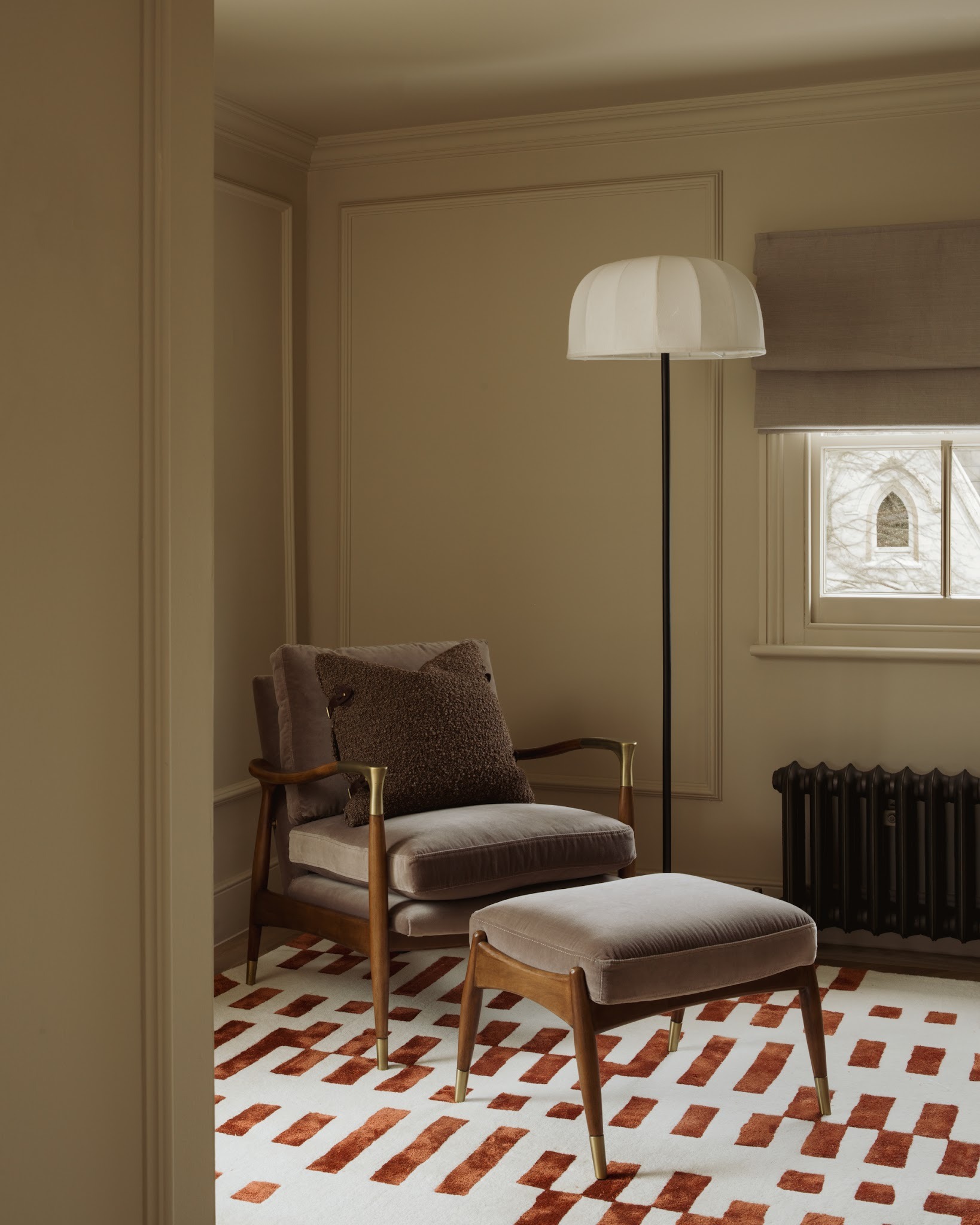
By the time a guest has read the menu, the room has already made half their decisions for them. Whether they relax or stay guarded. Whether they order the second course, or the second glass. Whether they linger over coffee, or ask for the bill the moment the plate is cleared.
This is function before aesthetics, and it applies to commercial space just as much as it does to a living room. A beautiful dining room that guests can't hear themselves think in isn't a successful dining room. It's a photogenic mistake.
Sensory design means treating acoustics, scent, lighting and texture as deliberately as the food, because guests experience all four before they've made a single conscious judgement about the space.
Sound Is The Sense Nobody Budgets For
Ask most operators what they're worried about and they'll say the light fixtures, the flooring, the bar front. Almost nobody mentions the acoustics, and it's usually the thing quietly costing them the most.
Research across a dozen restaurants found sound pressure and reverberation time predicted guest satisfaction more reliably than almost anything else measured. Diners rated poor acoustics as more disruptive than price or crowding.
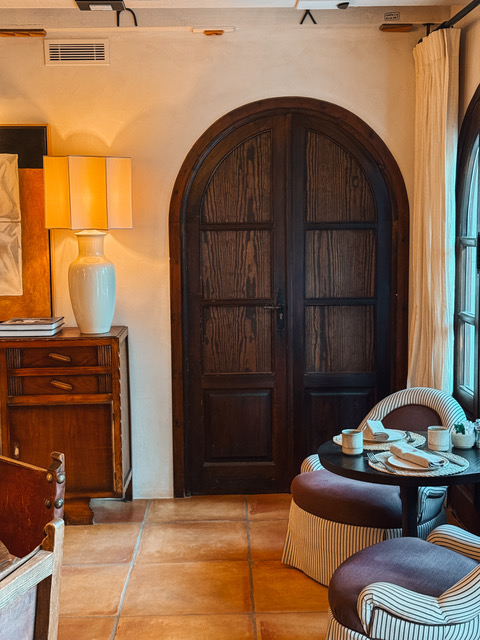
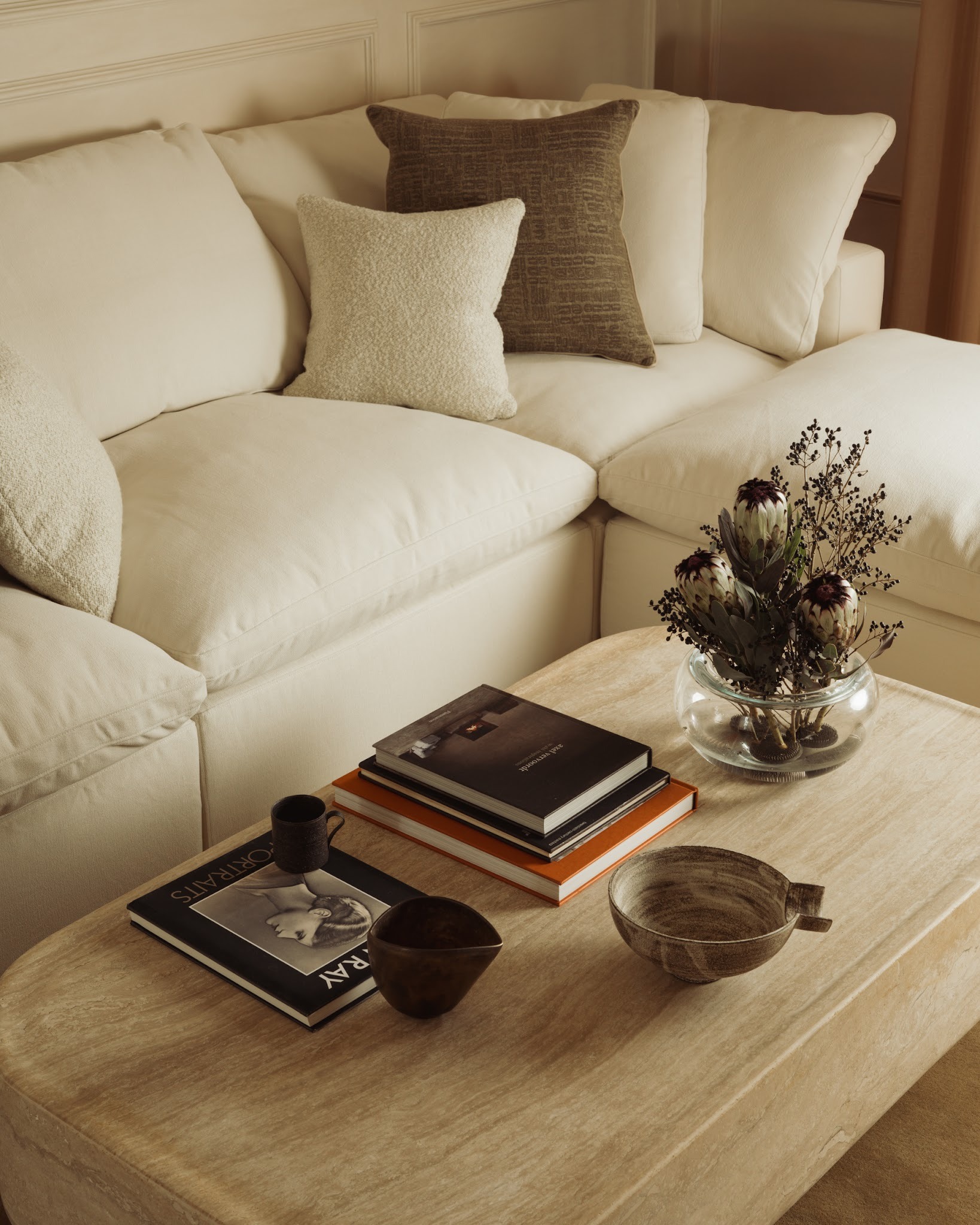
Here's the contrarian part. Polished concrete, glass and exposed steel photograph beautifully and sound terrible. Hard, reflective surfaces bounce noise around a room until nobody can hold a conversation without raising their voice, and a room where people are shouting to be heard is not a room people want to stay in. Felt, heavyweight upholstery, timber panelling and even something as simple as a fuller drape all absorb sound, and none of them need to look soft or fussy to do it.
Scent Is Memory, And Memory Is Loyalty
Scent reaches the part of the brain that stores memory before it reaches the part that reasons. That's not a design theory. It's how the olfactory system is wired.
Research from the University of Paderborn found ambient scent alone lifted guest dwell time by 15.9%, increased buying intention by 14.8%, and raised impulse purchases by 6%. No new menu, no refit, no discount. Just air.
A signature scent in an arrival zone does more for repeat bookings than most loyalty schemes, because it's the one sensory cue a guest can't consciously resist and doesn't consciously notice either. That's the whole point.
Light Decides How Long People Stay, And What They Order
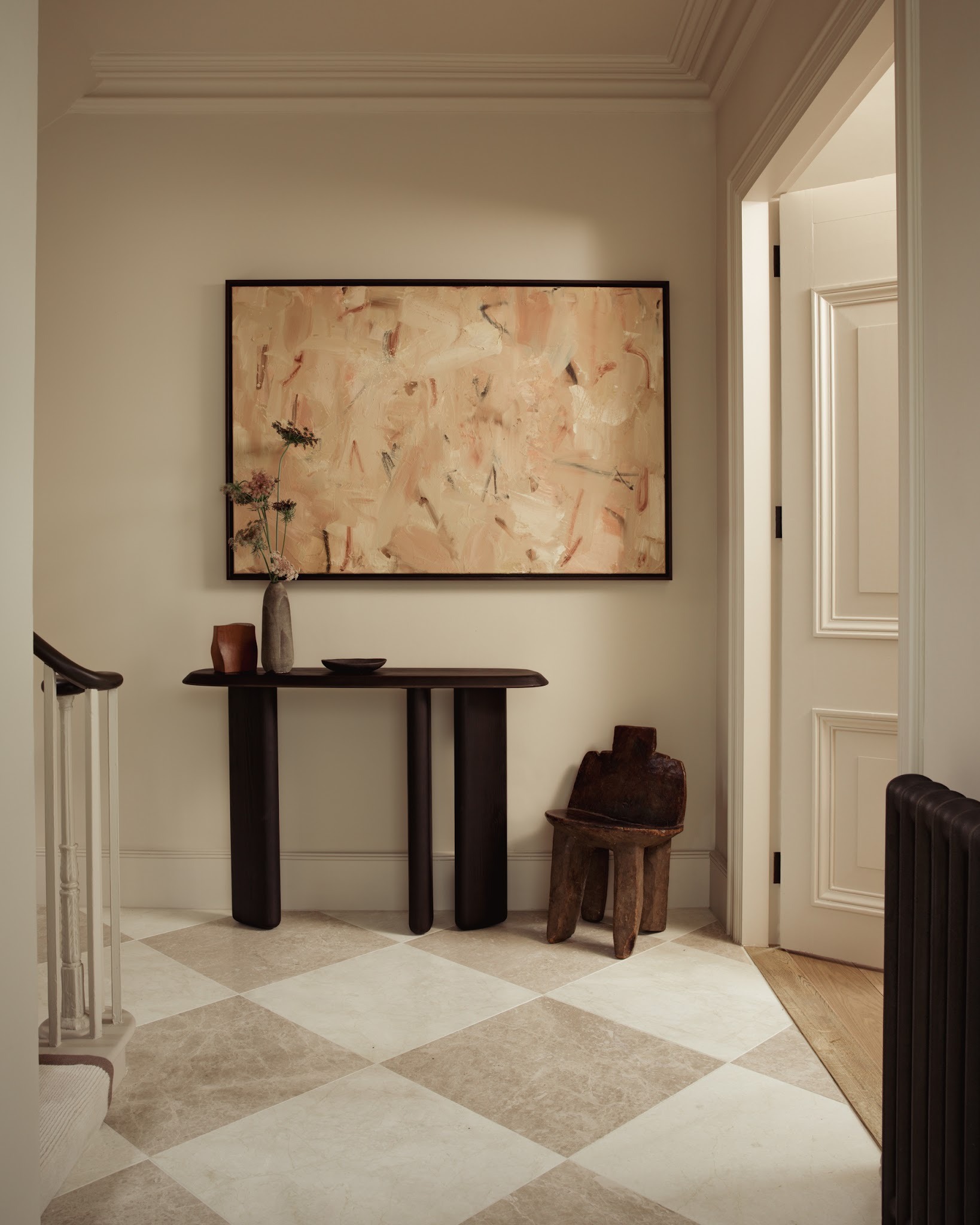
Softer lighting and a slower pace, whether in the music or the service, reliably lengthen how long guests stay. Longer stays mean higher spend, without a single member of staff upselling anything.
Light should move through service the way a good scene moves through an evening. Bright and efficient for breakfast covers. Warmer and lower as dinner service builds. Static lighting schemes, set once and left alone, are asking one lighting state to do the emotional work of an entire day.
Texture Is What The Hand Remembers
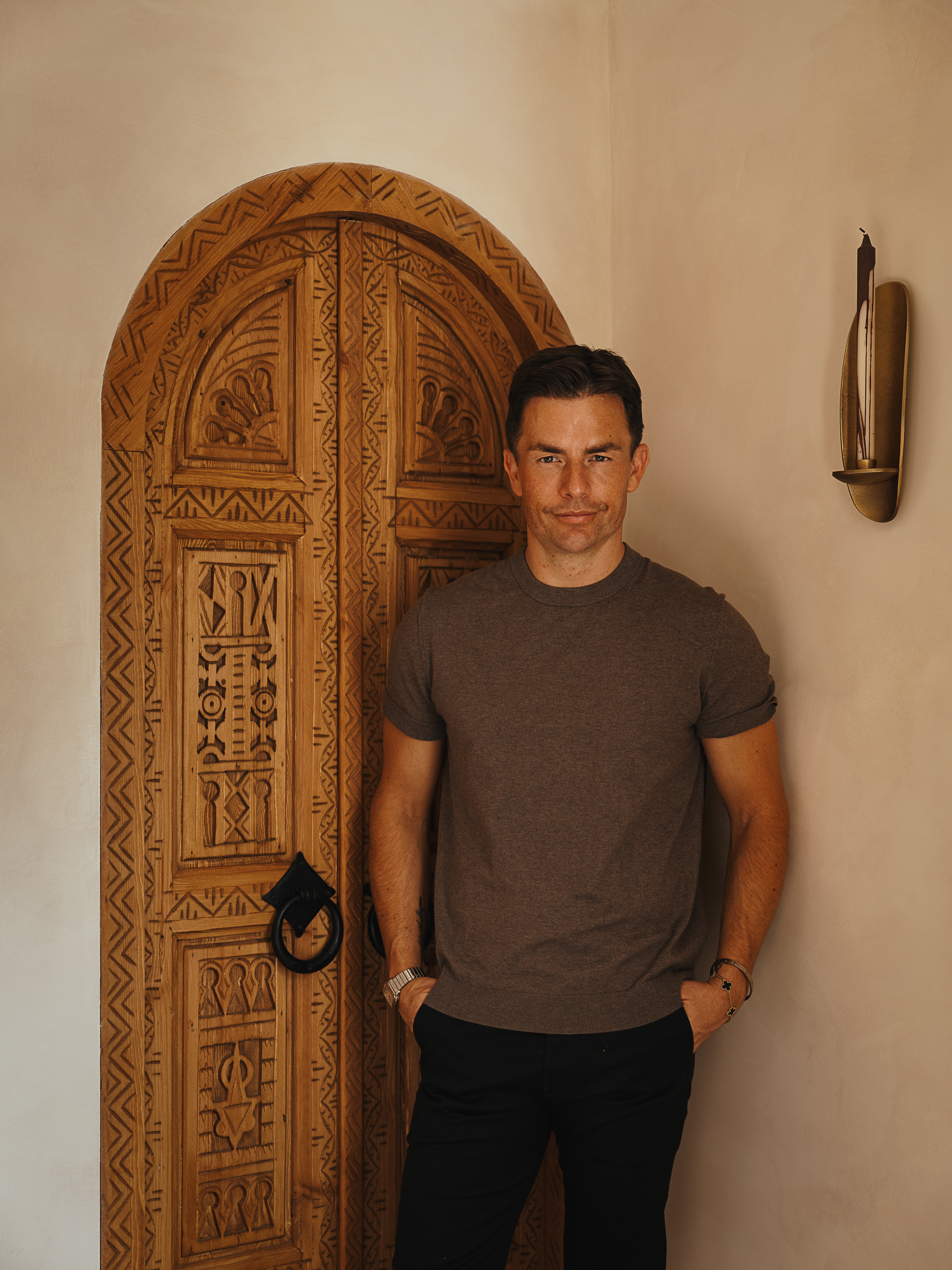
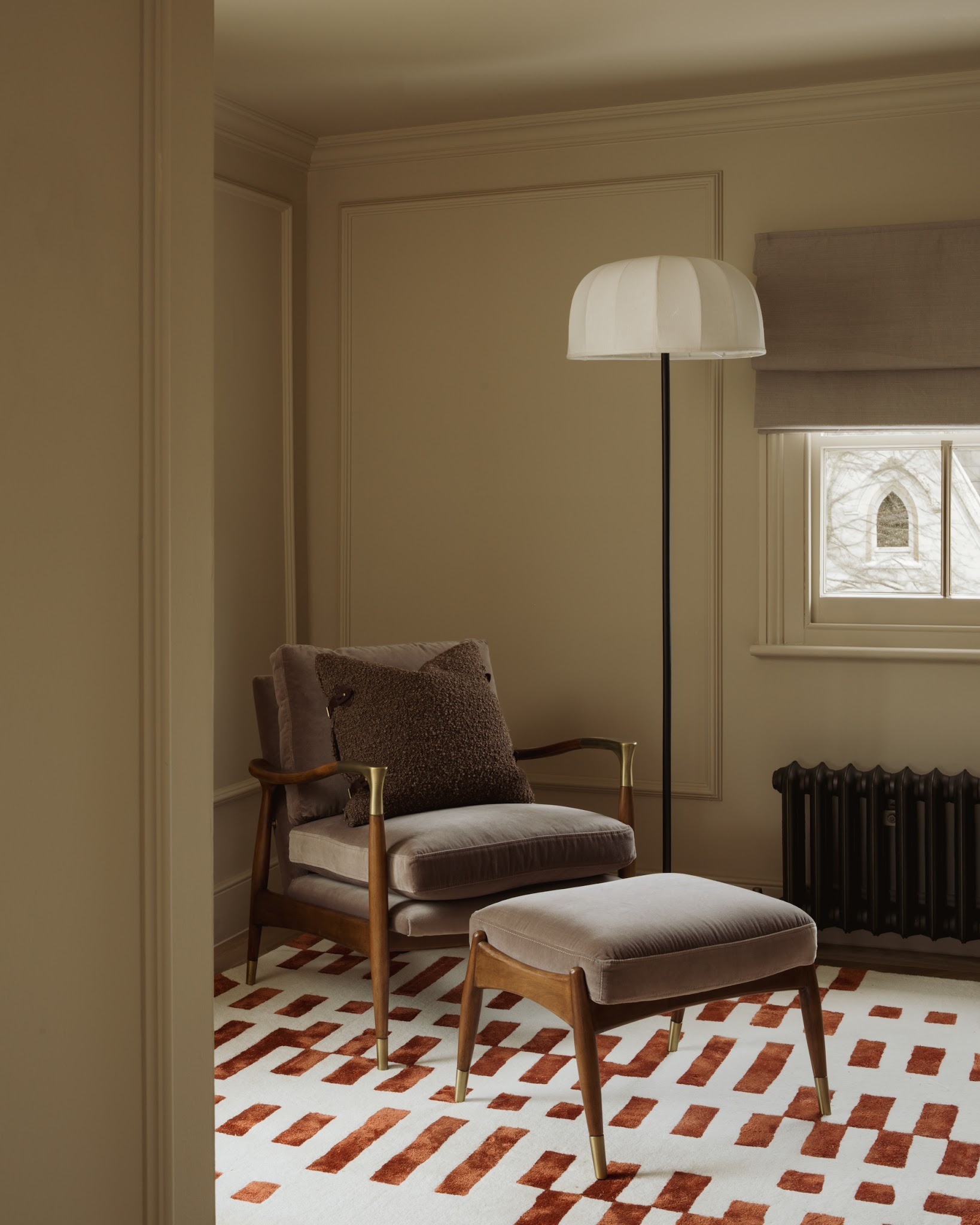
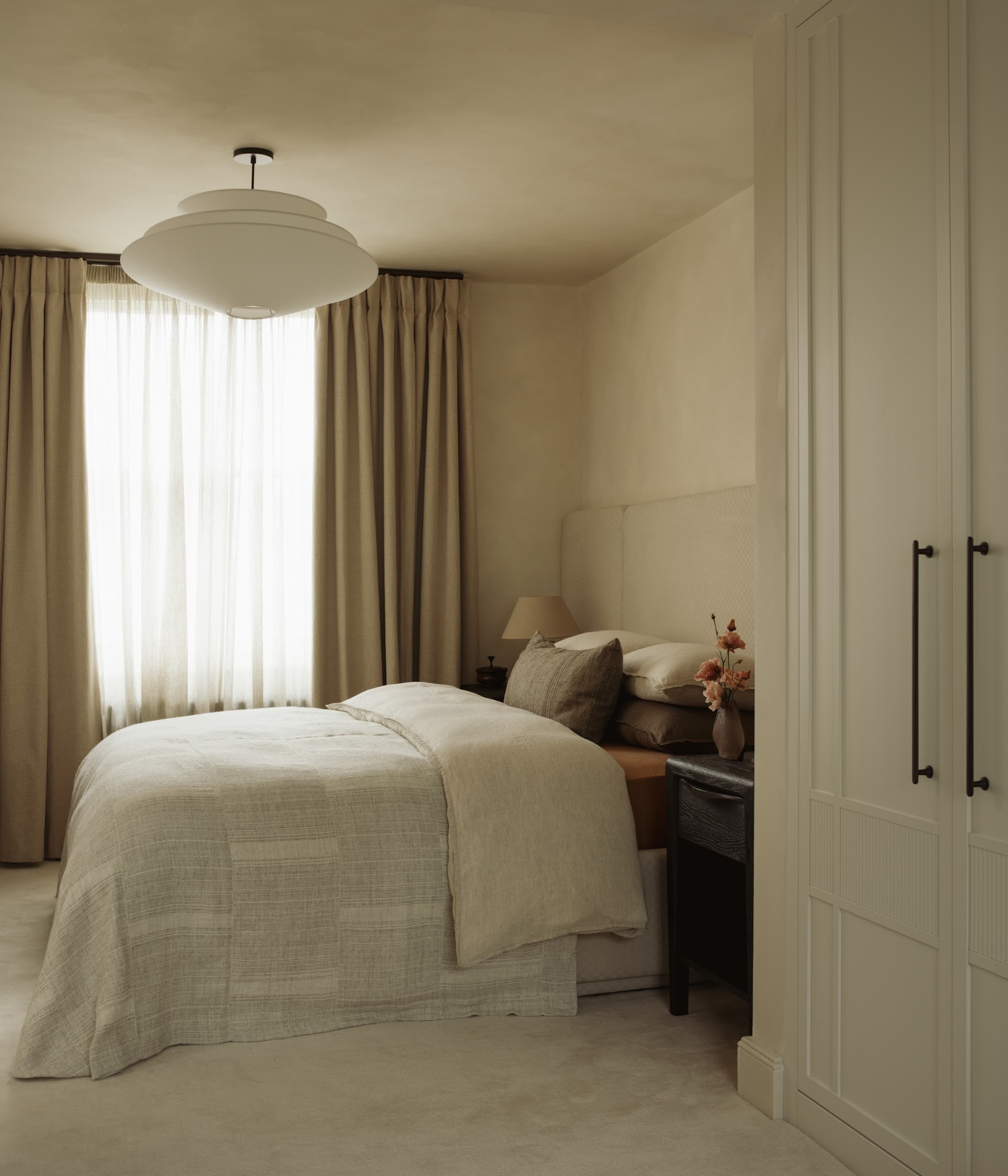
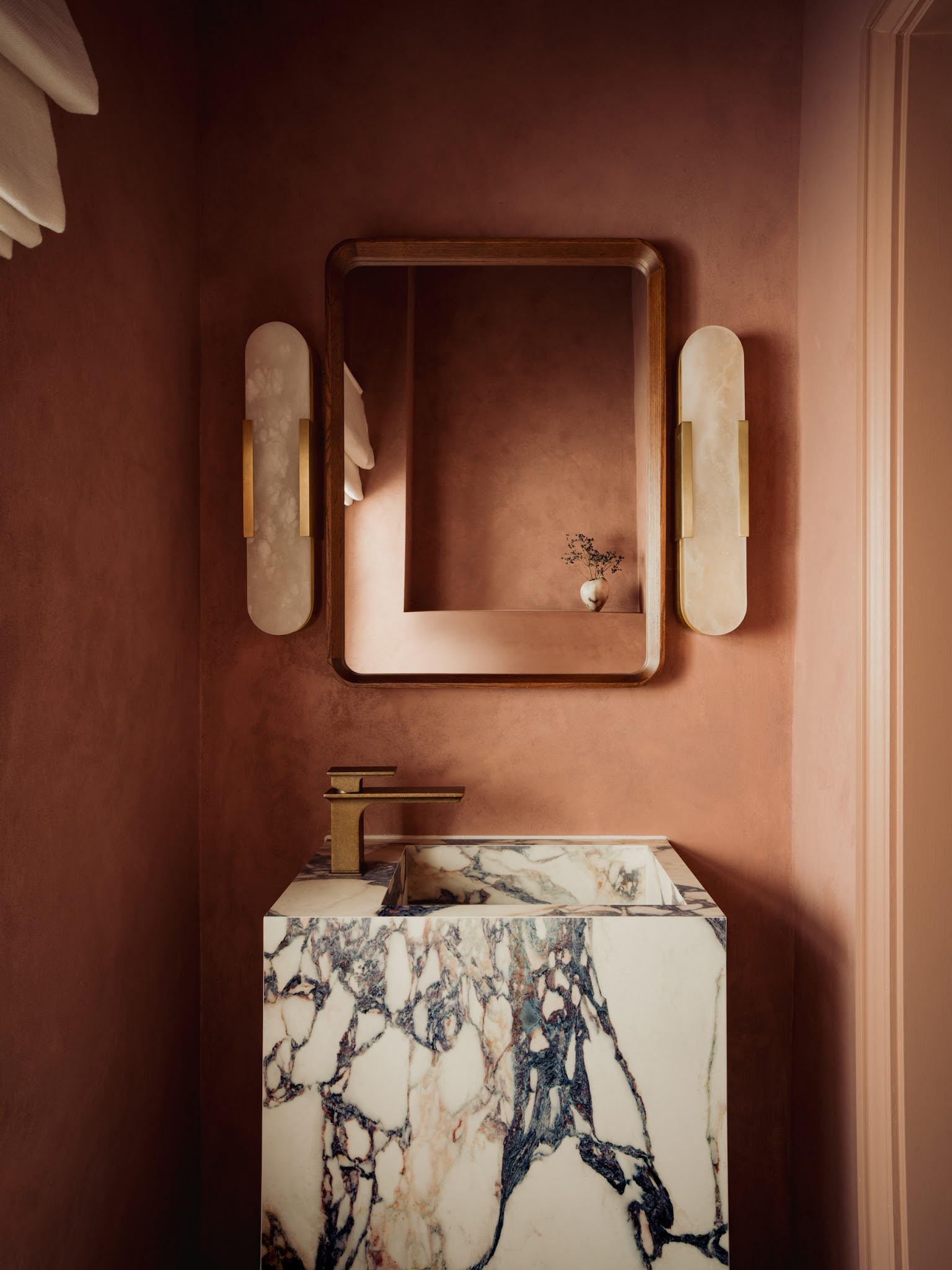
Guests touch more in hospitality than they realise: the banquette, the bar edge, the door handle on the way in. Unlacquered brass ages into something better than it started. Cheap laminate reads cheap within a year, however good it looks on day one.
This is the longevity question again, just asked of a commercial fit-out instead of a home. Will this banquette fabric still look and feel right after 2,000 covers, not 200? Materials chosen to survive real use, not just the opening-night photographs, are what give a room its grip, something for the eye and the hand to land on.
This Isn't Decoration. It's Covers, Spend and Return Rate
Sensory design isn't a finishing touch you add once the layout and the branding are sorted. It's commercial strategy, and it shows up on the P&L, not just in the press photos.
If your interior isn't doing this work for you already, it's costing you more than the refit would. TXTURED works as a turnkey partner on boutique commercial and hospitality projects across Manchester City Centre, the Northern Quarter, Deansgate and Spinningfields, as well as further afield, from the first sketch through to the final install. If you're planning a restaurant, hotel or hospitality fit-out and want the room to work as hard as the menu does, get in touch.
Sensory Design in Hospitality: Your Questions Answered
What is sensory design in hospitality interiors?
It's the deliberate design of what guests hear, smell, see and touch, not just what they see in photographs. Acoustics, scent, lighting and texture are treated as commercial tools, not decorative afterthoughts.
Does sensory design actually affect how much guests spend?
Yes. Independent research links ambient scent, sound quality and lighting directly to dwell time and spend per guest. The effect is measurable, not anecdotal.
What's the most overlooked sense in hospitality design?
Acoustics, by some distance. Owners will debate a light fixture for weeks and never once ask how a room will sound once it's full of people and plates.
Does sensory design cost more to install?
Not necessarily. Often it's a material substitution, felt instead of glass, brass instead of chrome, rather than an added cost. The expensive mistake is designing for the opening-night photograph and refitting again in three years.
Can sensory design work in an existing space, or only a new build?
Existing spaces, most of the time. Acoustic treatment, lighting recalibration and a considered scent strategy can be layered into a working restaurant or hotel without a full closure.
How do I start a hospitality interior design project with TXTURED?
Get in touch to talk through the space, the covers you're trying to protect, and what isn't working yet. Every project starts with function, not a mood board.