How to Invest Wisely When Designing a Kitchen That Lasts
Designing a Kitchen with Intent: Where to Invest and Where to Be Selective
A kitchen is not just a room. It is the hub of daily life, where mornings begin, meals are prepared, conversations unfold and routines take shape. Because of this, when I’m working with clients on a renovation, the first conversations are almost always about budget: where to invest, where to be mindful, and how to make every decision work harder.
This is particularly true for clients renovating family homes across Cheshire, including Hale and Wilmslow, where kitchens are expected to balance beauty with long-term practicality.
It’s often at this early stage that people worry they’ll get it wrong, which is completely understandable given how many decisions sit behind a “simple” kitchen.
It’s a question I’m asked at the start of almost every project, which is why I was so pleased to recently share my thoughts with Livingetc on where to spend and where to save when renovating a kitchen.
Having the opportunity to contribute to such a design-led publication was a real pleasure.
My approach is always the same. I encourage homeowners to focus their budget on the elements that most influence how the kitchen functions and feels over time. When those foundations are right, the space naturally feels considered, layered and timeless, whether we’re working on a contemporary home or a more sensitive period home renovation.
I often say that a kitchen reveals its quality not in photographs, but in how it supports everyday living.
Prioritise the Worktop
The worktop is always the first place I recommend investing. It becomes the visual and tactile anchor of the room and plays a huge role in how the kitchen feels as a whole.
It’s also one of the few elements used constantly throughout the day, so durability and performance matter just as much as appearance.
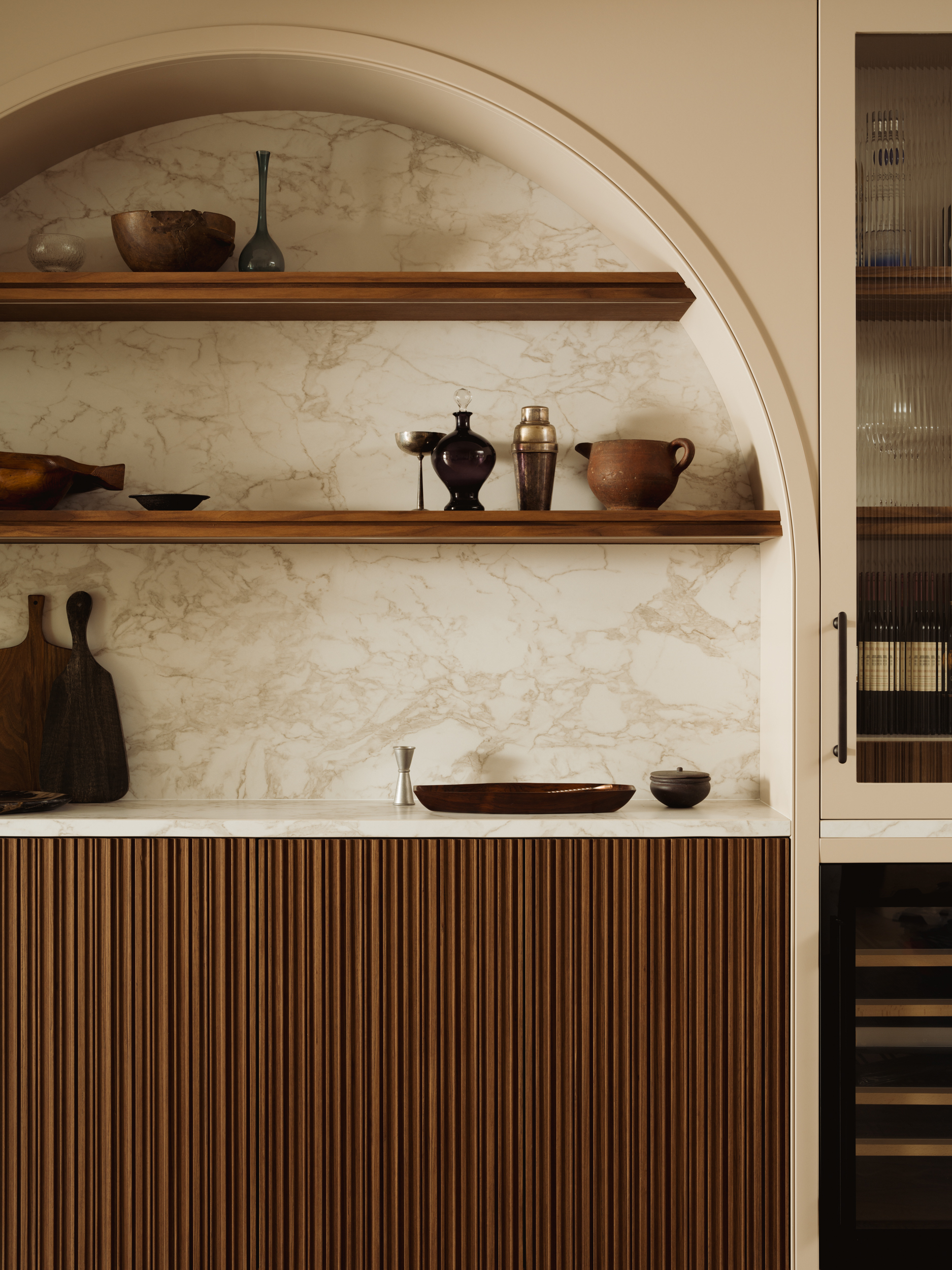
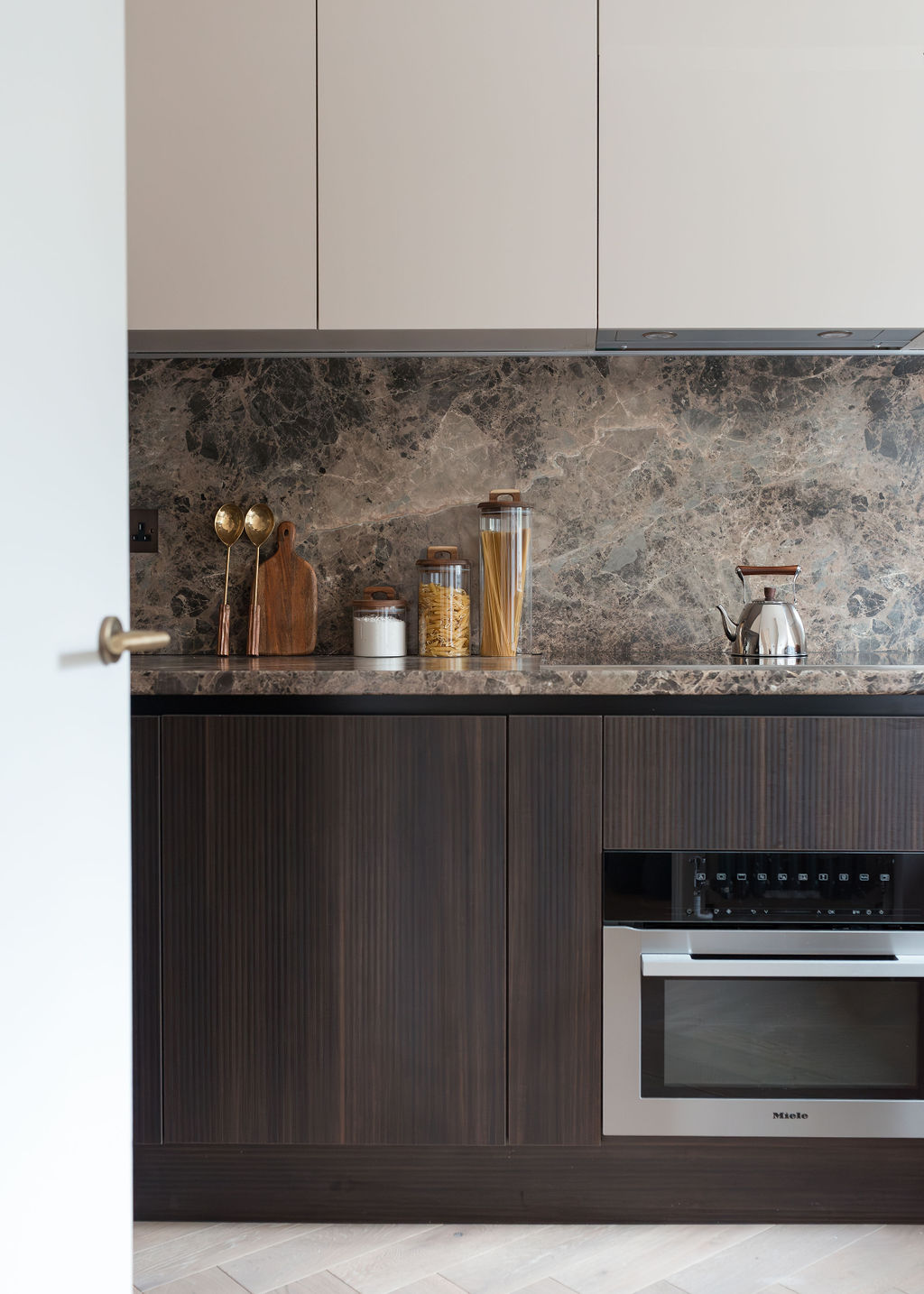
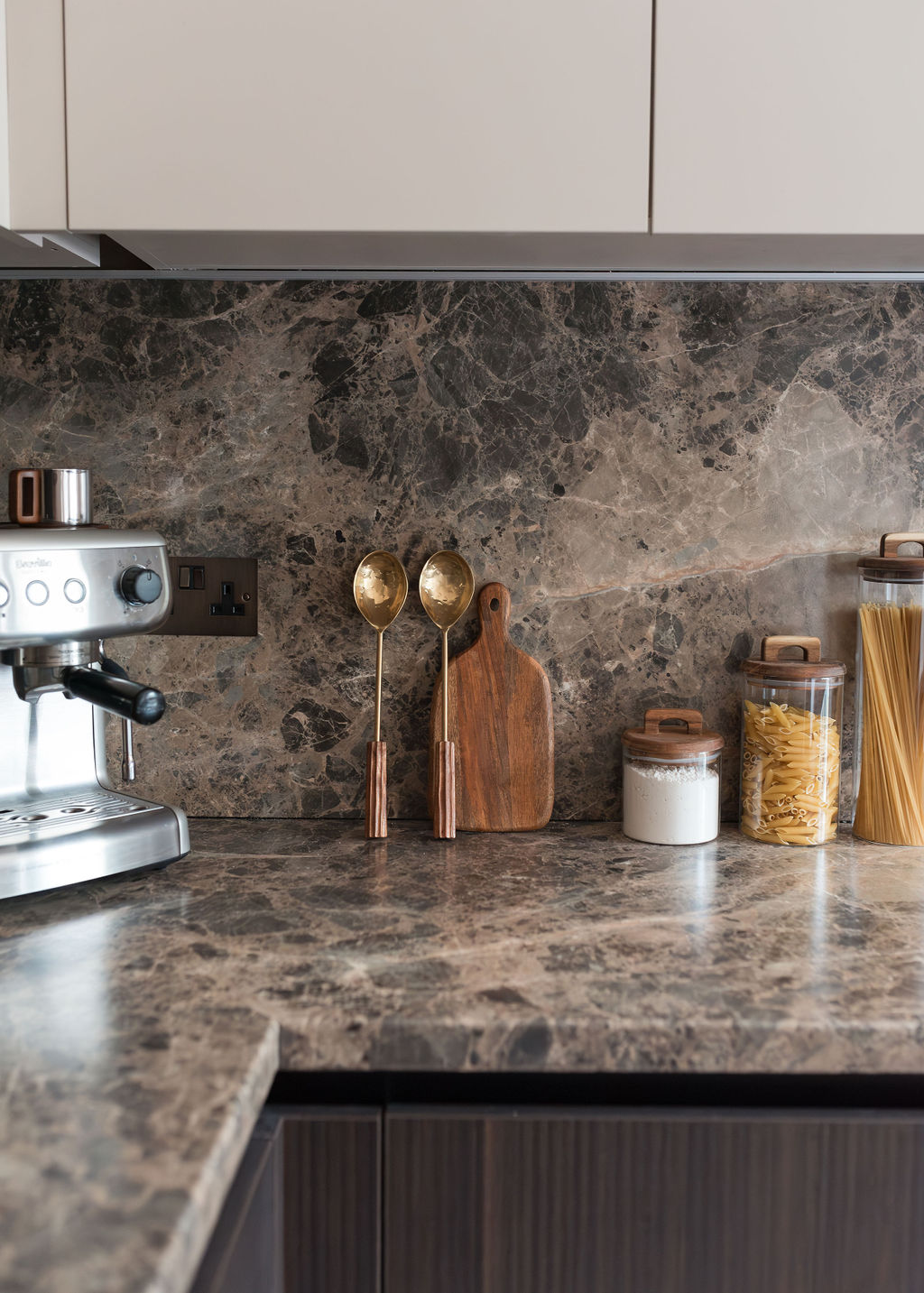
A high-quality porcelain with through-body veining is an excellent choice. It offers the depth and character of marble without the practical concerns, meaning it feels beautifully considered while remaining durable and low maintenance. This is especially important in busy family kitchens.
When the worktop is right, everything else in the kitchen has a stronger foundation.

Invest in Cabinet Fronts That Add Warmth
Cabinet fronts define the personality of a kitchen. Timber doors or well-crafted wood veneers bring warmth, tactility and longevity, instantly elevating the overall scheme.
For homes in Hale and Wilmslow, where character and craftsmanship are often key, these details can make the difference between a kitchen that feels standard and one that feels bespoke.
This is also where smart saving comes into play. You can comfortably reduce costs by specifying laminate internal carcasses. They perform brilliantly behind the scenes, while the visible elements still deliver impact and quality.
Where budgets allow, bespoke joinery can be introduced selectively — perhaps for a feature larder, island or banquette seating — to add depth and individuality without overwhelming the scheme.
Treat the Cooking Zone as a Focal Point
Whether you opt for a statement range cooker or a separate hob and oven arrangement, the cooking zone is both a practical essential and one of the strongest visual focal points in a kitchen.
In open-plan layouts, which are common in Cheshire homes, this area naturally draws the eye and anchors the space, so it deserves careful consideration.
You do not need to choose the most expensive option available, but investing in appliances that feel robust, well designed and proportionally right for the space makes a meaningful difference to how the kitchen functions and feels day to day.
Lighting That Elevates Without Excess
Lighting is an area worth investing in, particularly when it comes to how the kitchen functions as well as how it feels.
I always recommend prioritising practical lighting first, such as under-cabinet lighting for task areas, internal lighting within larder or breakfast cupboards, and well-planned ceiling lighting to ensure the space works comfortably throughout the day.
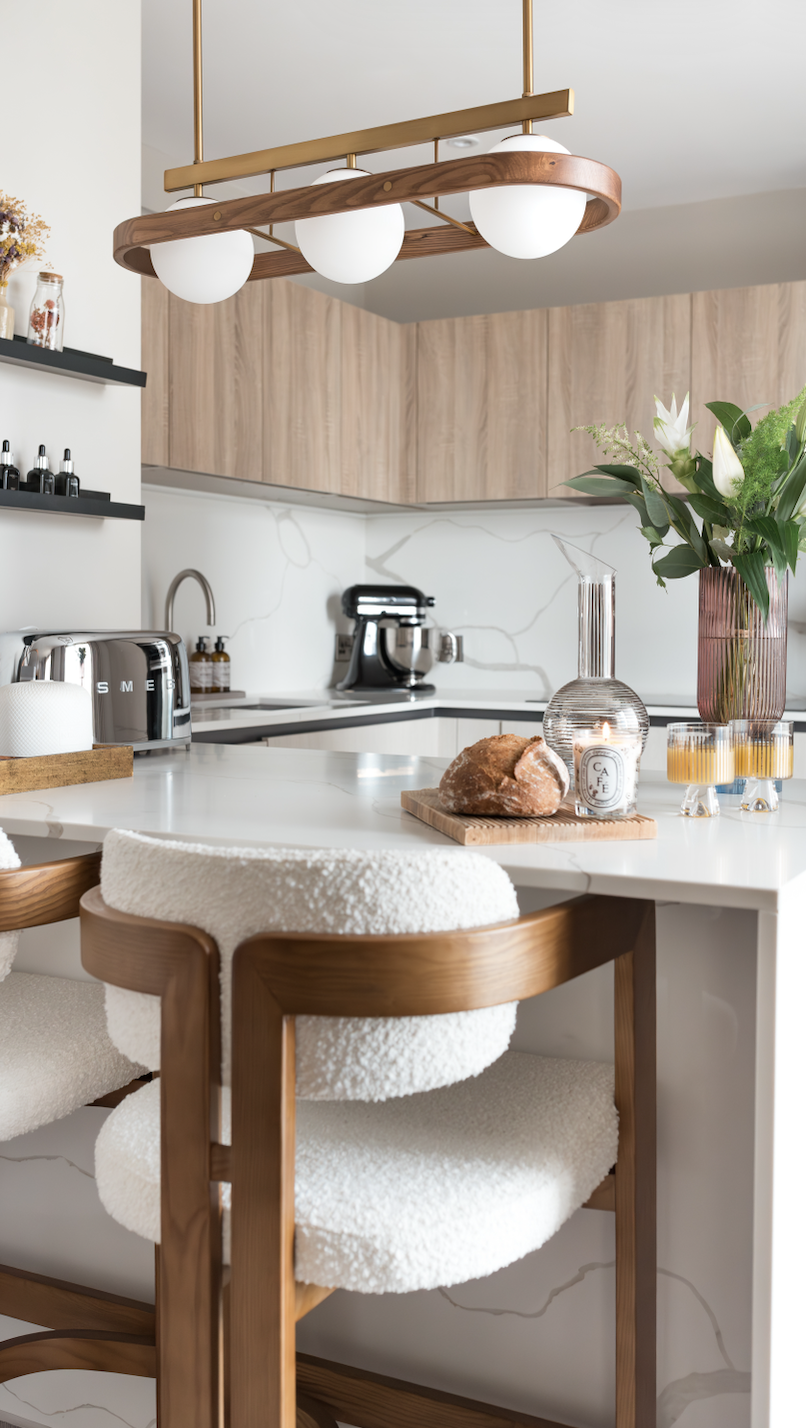
Once those fundamentals are in place, decorative lighting can be used to elevate the scheme. Island pendants act like the jewellery of the kitchen. They help frame the space and set the tone, especially in open-plan layouts.
That said, great lighting does not have to cost the earth. There are excellent design-led but accessible brands available. Lights & Lamps is one I return to often, as their pieces feel refined and quietly stylish without pushing budgets unnecessarily.
Where You Can Confidently Save
There are several areas where you can reduce spend without compromising the overall design.
Hardware is a great example. Brands like Corston and Plank Hardware produce characterful, well-made handles that look far more luxurious than their price suggests.
The same principle applies to tiles. A simple, thoughtfully chosen tile can feel elevated when paired with the right grout tone and layout. This approach works particularly well in period home renovation projects, where restraint often allows original architectural details to shine.
Smaller fixtures and secondary details can also be specified sensibly. As long as they are well designed and durable, they do not need to be top-tier to perform well.
The Balance That Makes a Kitchen Work
The guiding principle is simple: spend on the elements you see and touch most often, where quality and craftsmanship genuinely enhance the space. Save on the quieter details that sit in the background.
A successful kitchen should feel layered, personal and lived in. Its value does not come from how much you spend overall, but from how intelligently each element has been considered.

Making Confident Choices When Designing Your Kitchen
Designing a home that truly works requires more than individual decisions. It relies on those choices being considered together, from the earliest concept through to the final installation.
At TXTURED, we offer a fully turnkey interior design service, managing the entire process from initial design direction and specification through to procurement, build coordination and final styling.
Our experience delivering luxury interior design projects, ranging from contemporary homes in Wilmslow to period homes in Hale, means budgets are allocated intelligently, details are resolved early, and every element works cohesively as part of the whole.
For clients who want clarity, confidence and a beautifully executed result without the stress of managing multiple suppliers, a turnkey solution allows their home to be designed and delivered with intention from start to finish.
Get in touch to discuss your project.
Kitchen Renovation: Your Questions Answered
What should I prioritise first when setting a kitchen budget?
Start with the elements that define daily experience. Worktops, cabinet fronts and the cooker should be your first considerations, as they have the greatest impact visually and functionally.
Is porcelain really better than marble for kitchen worktops?
Porcelain offers the look and depth of marble with far fewer maintenance concerns. It is more resistant to staining, scratching and heat, making it a practical choice for busy kitchens.
Can a kitchen still feel premium if I use laminate carcasses?
Absolutely. As long as the visible elements like doors, worktops and hardware are thoughtfully chosen, laminate carcasses are a sensible and cost-effective solution.
How important is lighting in a kitchen renovation?
Lighting is essential. It shapes atmosphere as much as it supports function. Well-placed pendants and layered lighting will elevate the space far more than people often expect.
Where is it safest to save money?
Hardware, tiles and internal components are areas where you can confidently save. Focus your investment on what you see and touch most often.