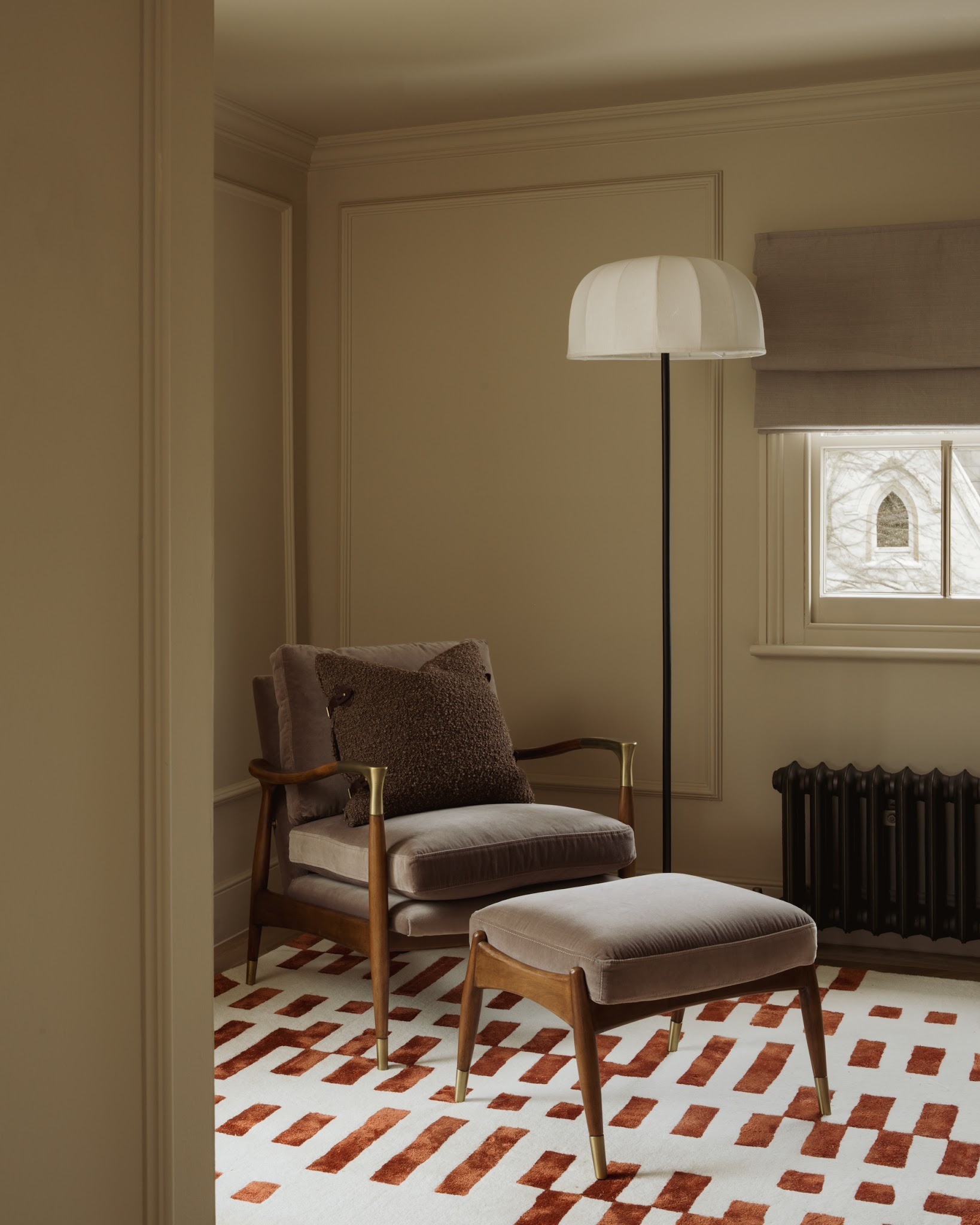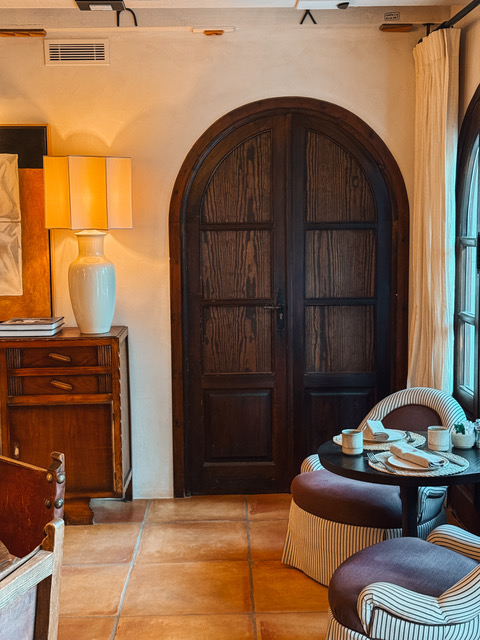
Why Robin-Egg Blue is the New Neutral
Robin-egg blue feels effortless when it’s done right, but the magic is in the undertone, finish, light and layers. That’s where we come in...
There are colours that lift a room quietly, without fighting for attention. Robin-egg blue is one of them. It sits right in that sweet spot between fresh and familiar: soft enough to feel neutral, but with a little more soul. Used well, robin-egg blue interiors make a home feel calm, open and gently elevated.
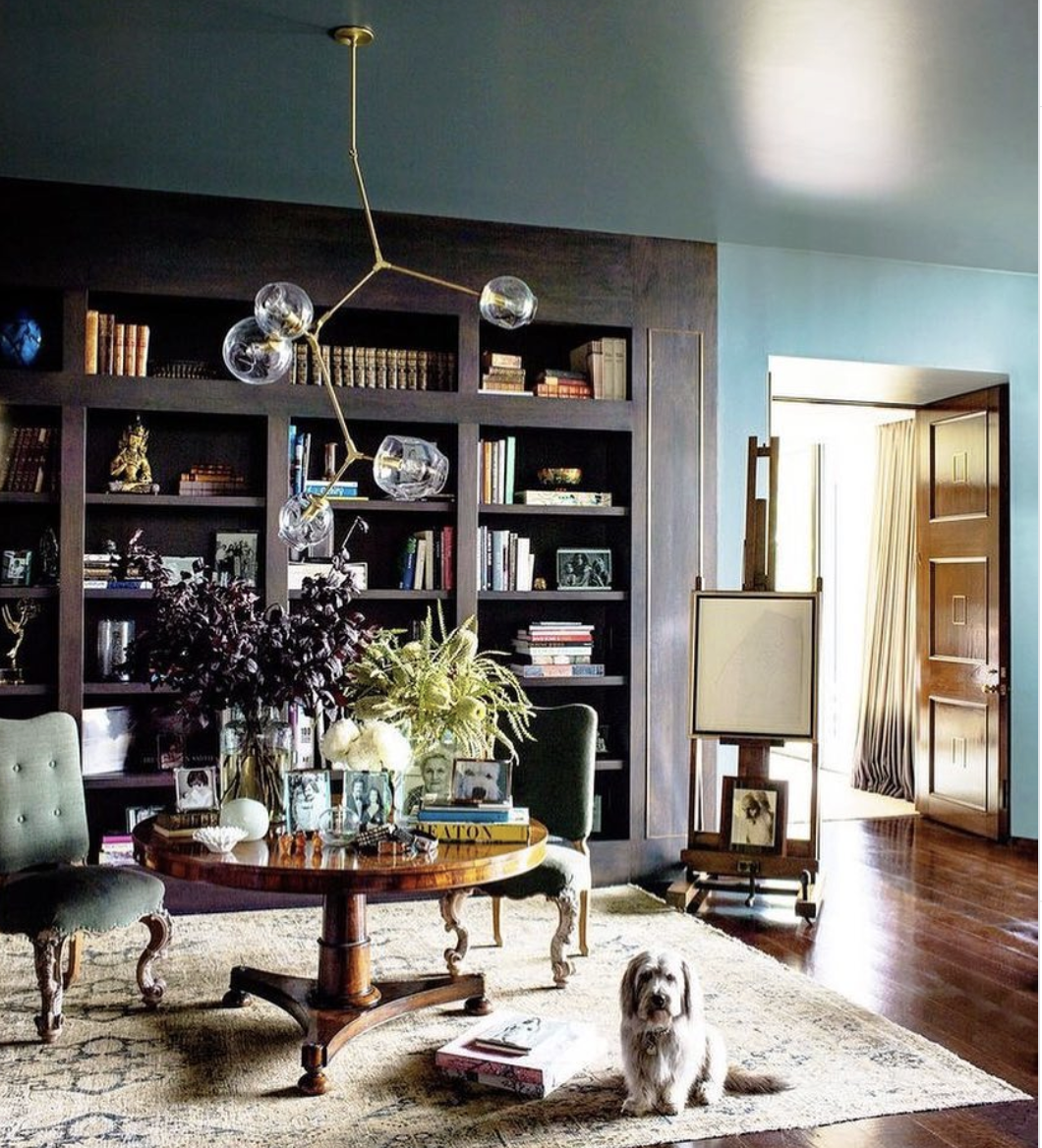
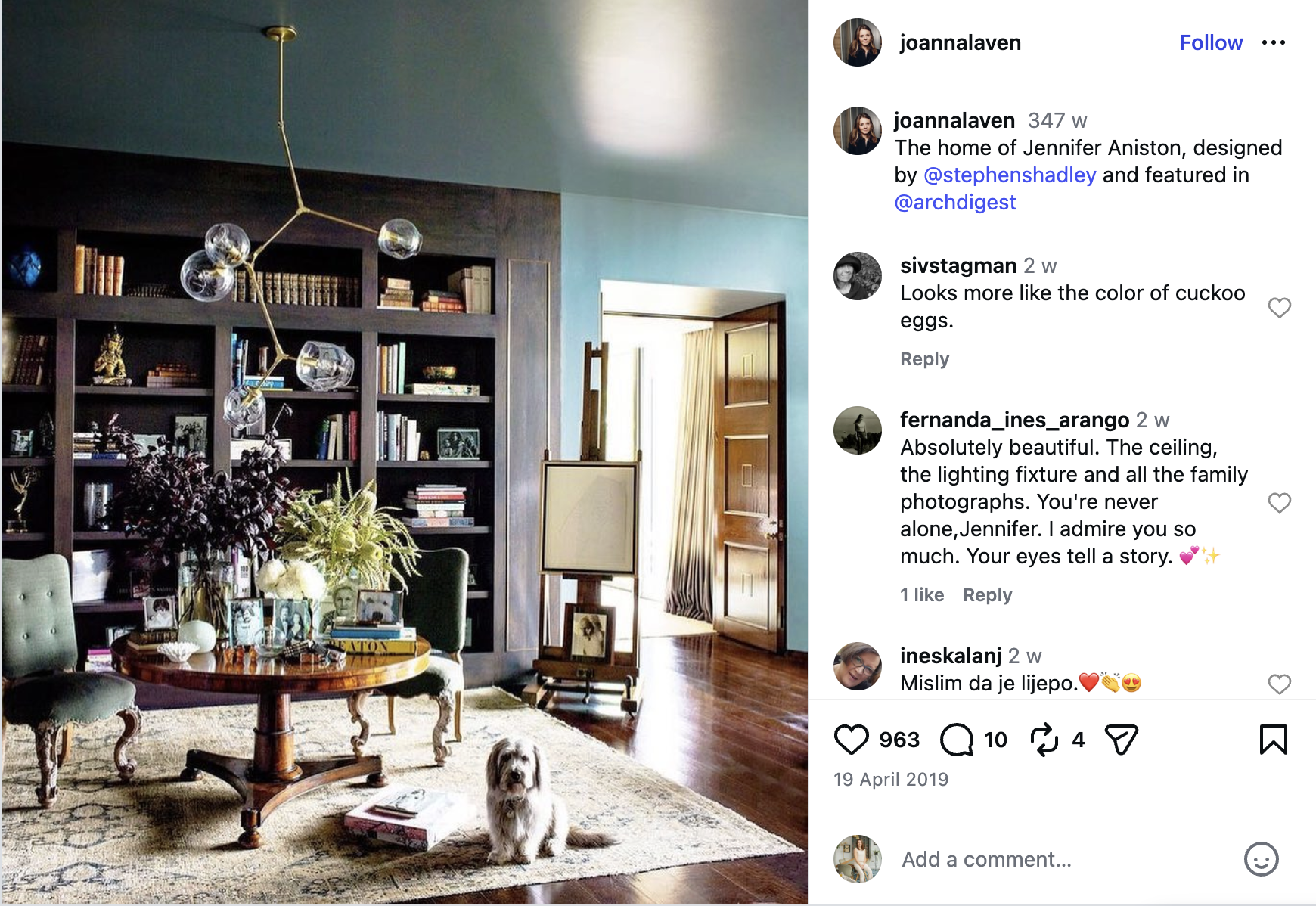
I was recently quoted in a Homes & Gardens feature on Jennifer Aniston’s robin-egg blue library, and it was a perfect reminder of why this shade keeps coming back. Her room isn’t “ontrend” in a try-hard way, it’s just beautifully resolved. If you’d like to see the space that sparked the conversation, you can read the full Homes & Gardens feature here: Jennifer Aniston's blue library .
At TXTURED, we treat colour as atmosphere. The right shade doesn’t just suit a home, it shapes how you feel inside it. Robin-egg blue does that brilliantly. So, let’s unpack why it works, what it does emotionally and how to use it in a way that feels timeless, not themed.
Why robin-egg blue works as a “new neutral”
Robin-egg blue interiors behave like a soft neutral, but with more warmth and character than beige, grey or white. Its gentle luminosity makes it adaptable across period homes and clean-lined contemporary spaces.
The secret is the undertone. Unlike icier pale blues, robin-egg blue usually carries a subtle green note.That tiny shift warms the colour, adds depth and gives it an easy, lived-in quality. It doesn’t fight architecture. It lets it breathe.
Robin-egg blue also loves texture. Put it with brushed oak, aged brass, bouclé, chalky plaster, soft leather, limestone, hand-thrown ceramics, and it instantly feels layered and grown up.
What robin-egg blue makes a room feel like...
- Grounded: it lowers the visual “volume” of a space
- Uplifted: it reflects light softly, so rooms feel airy rather than stark.
- Comforting nostalgia: worn book covers, glazed pottery, seaside memory, vintage jewellery boxes
- Quietly sophisticated: it feels deliberate, not performative.
These reasons make it ideal for spaces where you want to slow down: libraries, snugs, bedrooms, reading corners, and even kitchens if you’re after serenity with depth.
How to use robin-egg blue in your home (3 designer ways)
1.Colour-drench it: walls and ceiling
Jennifer Aniston’s library shows how powerful colour drenching can be. Carrying robin-egg blue across walls and ceiling creates a cocooning effect that still feels light. Corners blur, edges soften and the room becomes more enveloping, like stepping inside a mood.
This works especially well in:
- libraries, snugs, or TV rooms
- bedrooms
- hallways with strong mouldings (blue makes ornate detail feel cohesive)
- north-facing rooms that benefit from gentle brightness
Finish tip:
- Soft matt / chalky: velvety, calm, diffuse.
- Eggshell: a little bounce and durability, great for ceilings or joinery.
When we’re colour-drenching a home, we pay close attention to undertones from room to room. That way, even if each space has its own colour, the whole house still feels connected and cohesive.
2. Keep robin-egg blue to the walls
Robin-egg blue on just the walls is an easy way to create impact with restraint.
Ceiling colour plays a big part in keeping the look refined. Avoid stark, brilliant white, which can create a harsh cut line. Instead, try a warm off-white or soft ivory, a pale putty or stone for a more grown-up feel, or a lighter 20–30% tint of the same blue for a softer transition. Done this way, rooms feel taller, airier, and quietly classic.
3. Use robin-egg blue as an accent
Accents don’t have to mean“one loud wall.” Robin-egg blue is best in thoughtful moments, paired with honest materials.
TXTURED favourite accents:
- Joinery / cabinetry: built-in bookcases or a kitchen island in robin-egg blue feel tailored and calm.
- Upholstery: velvet armchairs or a headboard add softness without stealing the show.
- Tiles: handmade tiles (especially zellige) work beautifully because tonal variation keeps the colour alive. If you’re exploring this, here’s our TXTURED zellige tile guide.
- Art + objects: lamps, ceramics, framed pieces, small repeats keep it cohesive.
- Textiles: rugs, cushions, throws with blue-green notes.
Design rule: texture first, colour second. Let it look collected over time, not like a “concept room.”
Choosing the right robin-egg blue paint
A few practical points that make all the difference:
Test it in your light
Always test it in your own light. Robin-egg blue can feel cooler in shadow but read greener when warm light hits it, so the same colour can shift noticeably throughout the day.
How to test properly
Paint two generous samples (at least A3) on different walls, one in daylight, one in shadow. Check them morning, afternoon, and night with lamps on. Always view next to your key finishes (floors, woods, metals), because undertones shift depending on what sits beside them.
This is exactly what we handle in studio: testing, calibrating, and layering so you don’t end up with“almost right”.
Decide on the finish early
- Matt: calm, powdery, forgiving
- Eggshell: tougher, subtly polished, ideal for busy rooms or cabinetry
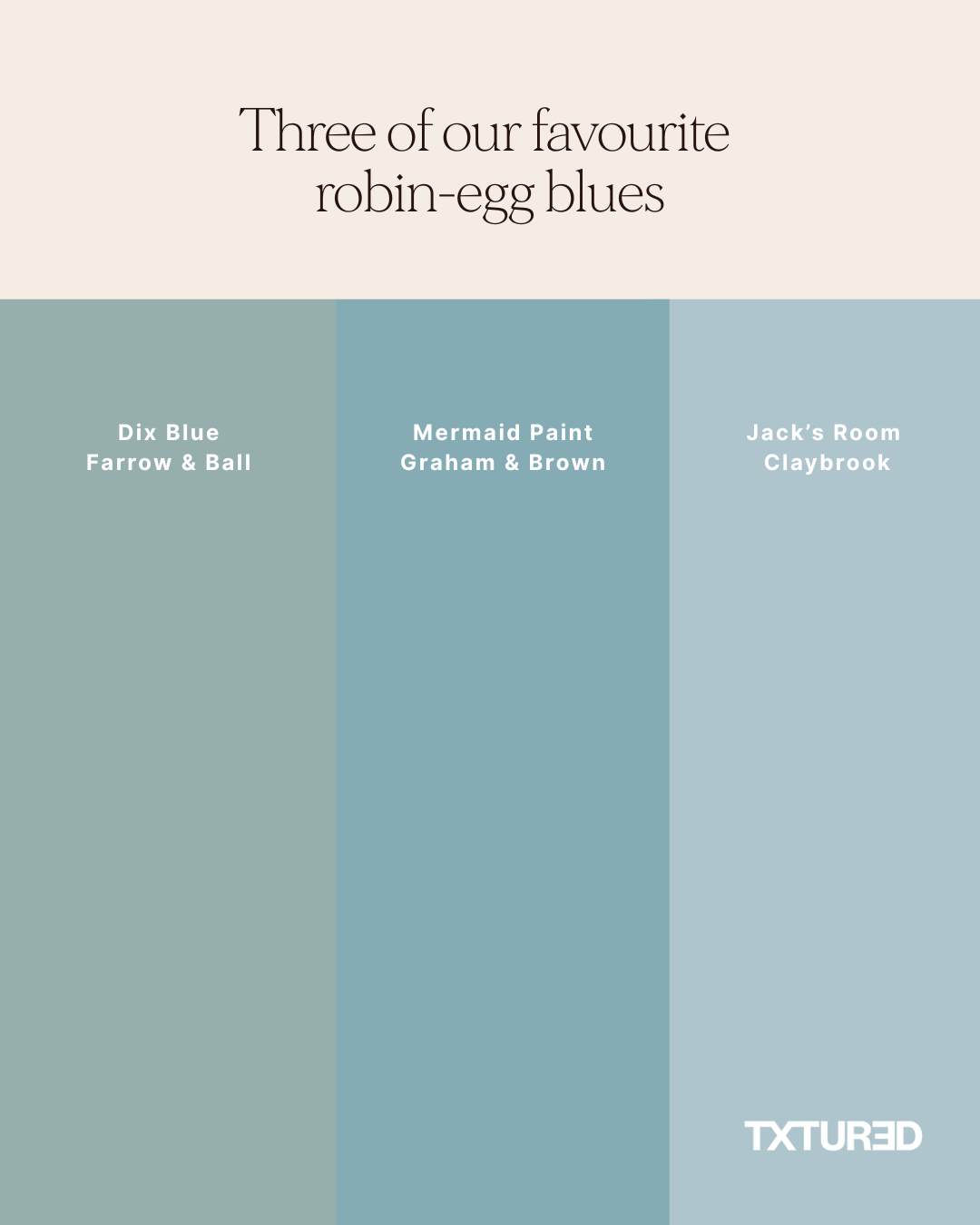
What colours go with robin-egg blue?
Robin-egg blue is a team player. Pair it with...
- Dark woods (walnut, espresso oak, mahogany): grounds the blue and makes it feel richer
- Warm neutrals (cream, oatmeal, sand, soft taupe): stops it tipping “coastal”
- Aged brass + bronze: patinated metals echo the colour’s vintage softness
- Muted greens (sage, olive, eucalyptus): harmonise with the undertone and feel nature-led.
- Soft terracotta / clay: adds warmth and energy without noise
- Inky accents (navy, charcoal, blackened steel): gives architectural edge for modern schemes.
A final thought...
If robin-egg blue has you tempted, take that as a starting point, not the whole plan. Great interiors aren’t built on shade alone. They’re designed around architecture, light, layout, materials, and how you want to live. Colour is the thread that ties those choices together.
So whether you’re dreaming of a colour-drenched library, a calmer bedroom palette, or a home that feels quietly cohesive from room to room, we can take the feeling you’re after and turn it into a finished, lived-in interior.
Get in touch via our contact page here to book a design consult.
FAQ: Decorating with robin-egg blue
Is robin-egg blue the same as duck-egg blue?
They’re close cousins. Duck-egg usually leans greener and softer; robin-egg feels a touch cleaner and brighter. Both are calm and airy.
Is robin-egg blue good for small rooms?
Yes. It reflects light softly and, when colour-drenched, makes small spaces feel bigger and more enveloping.
Will robin-egg blue date quickly?
Not when used with timeless materials. It’s heritage-adjacent and cycles through interiors every decade or so. It ages beautifully with oak, limestone, brass, and layered textiles.
Matt or eggshell?
Matt is velvety and hides imperfections. Eggshell is tougher and subtly polished, so better for busy spaces or joinery.
Can it work in modern interiors?
Absolutely. Keep lines clean and pair it with stone, blackened steel, and warm minimal neutrals.
How do I stop it feeling too beachy?
Avoid optic whites and obvious nautical cues. Use dark woods, warm neutrals, aged metals, and textured finishes.
Does it suit north-facing rooms?
Yes. It lifts cool light without turning icy. Balance it with warm bulbs and natural materials.