From Brief to Build: Our Interior Design Process
How We Design a Project From First Brief to Final Install
At TXTURED, design is about decisions. Make them in the wrong order and projects cost more, take longer and become unnecessarily complicated.
Whether we're working on a period home renovation in Cheshire or a modern office interior design, the process stays the same. That consistency is intentional. What keeps budgets realistic, timelines achievable, and design intent intact is.
We've been refining this approach for years, and we've learned something important: structure doesn't limit creativity, it protects it. Below is how we take a project from first brief through to final install, and why each stage exists.
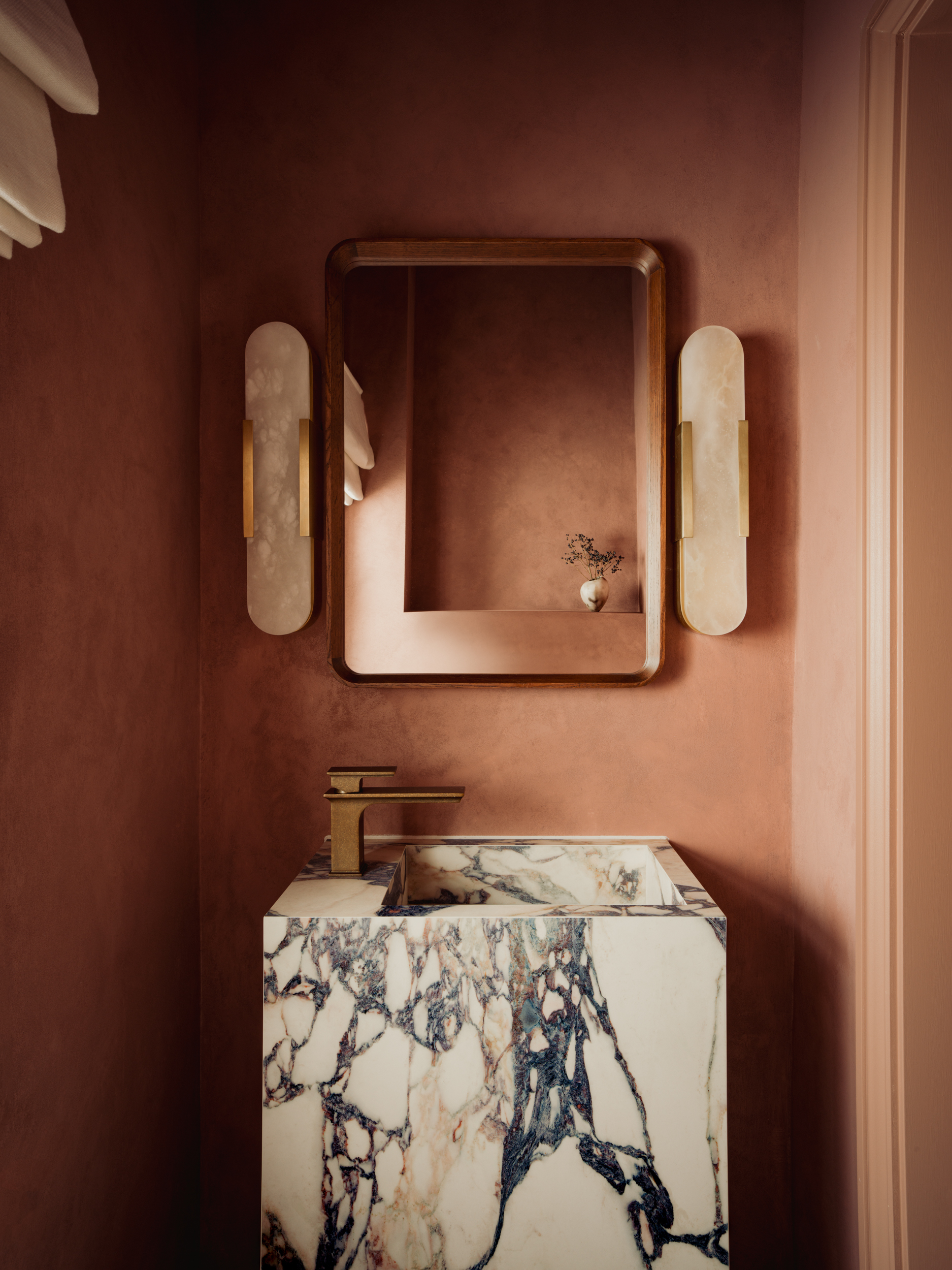
Discovery and Brief Setting
Every project starts with understanding the problem properly.
The discovery phase isn't about aesthetics. We focus on how the space needs to work, what limitations exist, and where we should spend or protect money. Clients often tell us this is the stage where they feel the most overwhelmed, which is exactly why clarity here matters so much.
We focus on:
- How the space will be used day to day
- Budget parameters and where investment makes the biggest difference
- Timescales and any fixed deadlines
- Planning constraints, building regulations and technical limitations
For a period home renovation, this usually means spending time understanding the building before any design decisions are made. Original layouts, structural realities and heritage features all influence what's possible.
We’ve seen many projects where someone skipped this step. They then had to redesign halfway through. This often cost twice the original budget.
On commercial projects, discovery is often more operational. How people move through the space, how the business functions and what the space needs to support long term. Our work for Gail's is a good example . The entire spatial design had to account for peak service flow, not just aesthetics.
This stage exists to remove assumptions early, not correct them later.
Concept and Spatial Planning
Layout comes before look.
Before we select finishes or discuss colour, we resolve spatial planning. This includes:
- Circulation and movement through the space
- Furniture layouts and clearances
- Storage requirements
- Lighting design, joinery and services zones
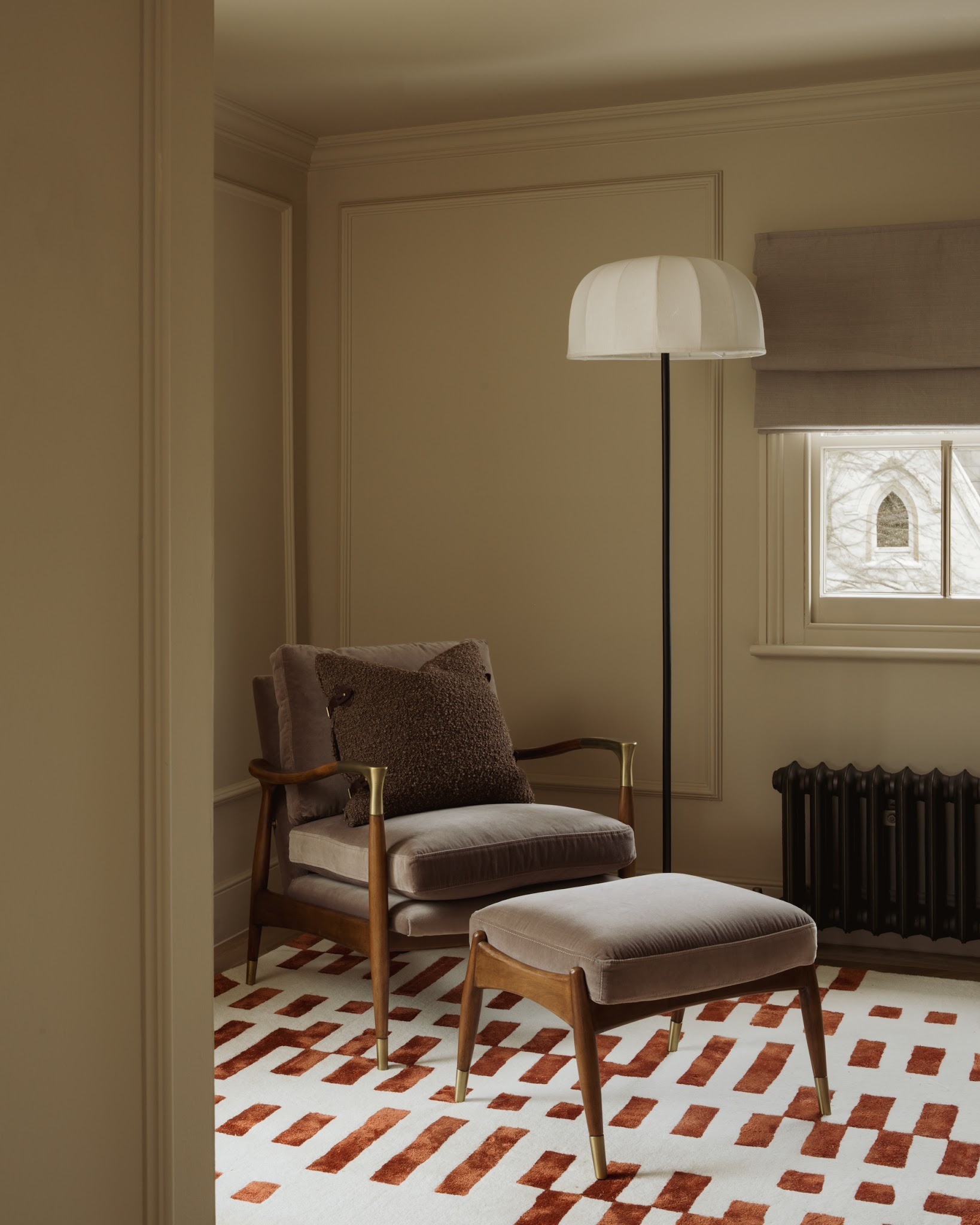
In residential projects, this is where bespoke joinery often becomes essential. Not as decoration, but as a way of solving layout problems, improving storage and making spaces work harder without increasing footprint.
On a recent commercial project in Hale, careful space planning allowed the interior to adapt to future operational changes without structural alterations. That flexibility saved cost both at build stage and long term. The client came to us frustrated because their previous interior architect had prioritised aesthetics over function—they'd ended up with a beautiful space that didn't work for their business.
If the layout is wrong, no amount of interior styling will fix it.
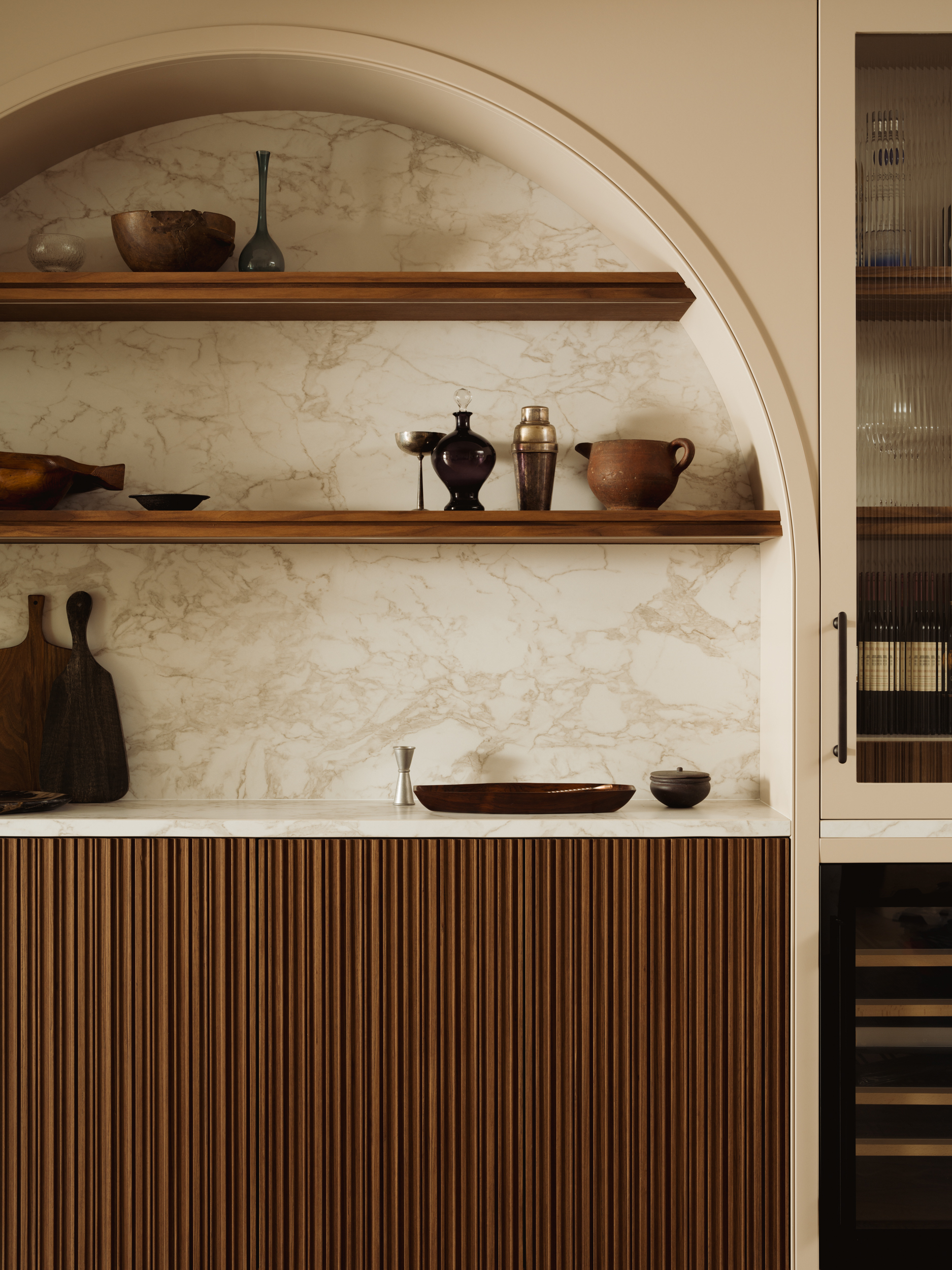
Material and Finish Decisions
Materials are chosen to perform, not to impress.
Once we fix the layout, we can select finishes with clarity and confidence. At this stage we assess:
- Durability and maintenance requirements
- How materials age over time
- Installation sequencing
- Impact on overall budget
Balancing Client Vision with Practical Reality
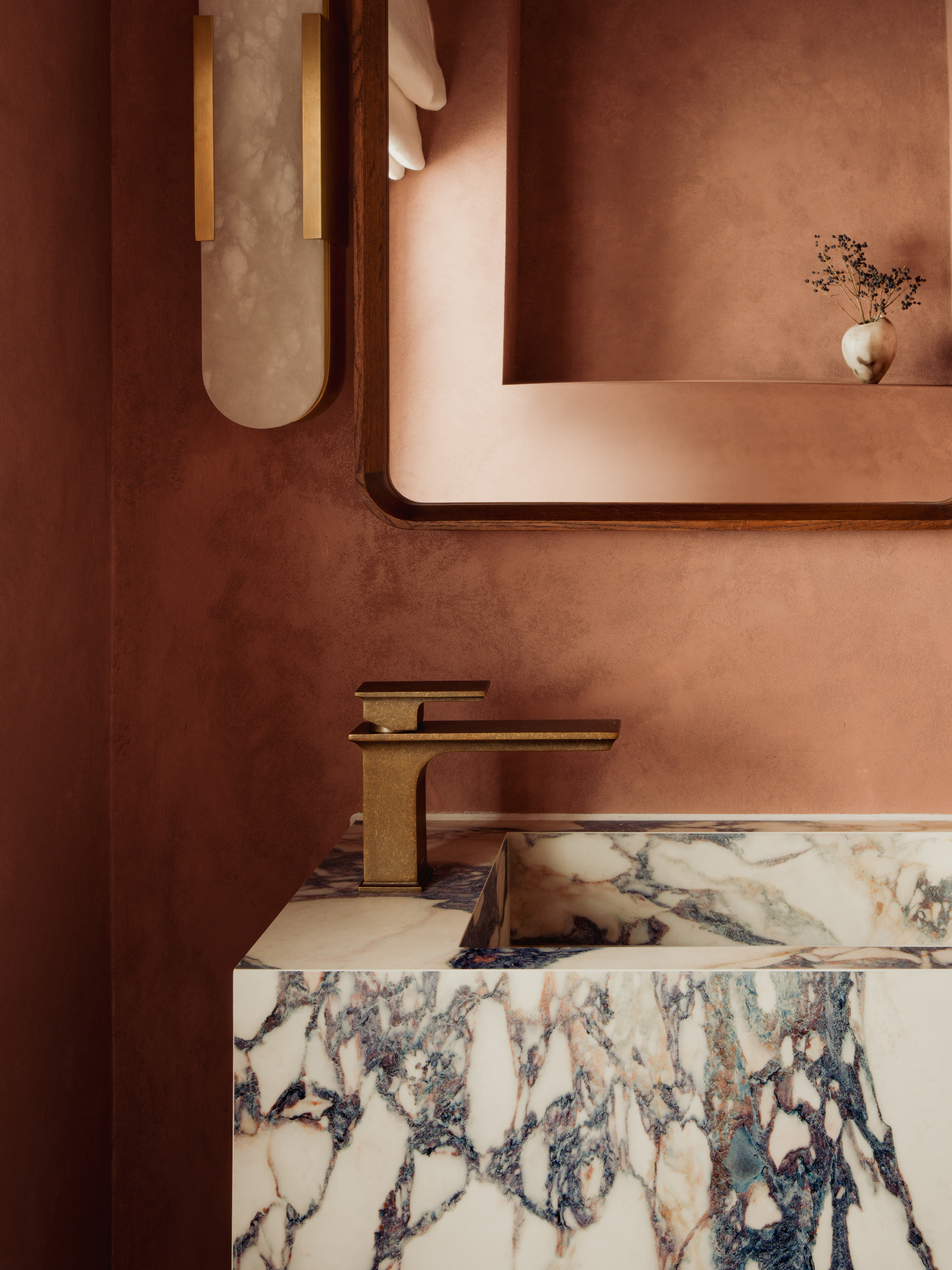
This is often where conversations get interesting. A client may fall in love with a marble or textile they saw in a magazine. We understand why. But our job as interior designers isn't just to say yes. It is to ask: will this material work in your space?
We've seen Carrara marble specified for a family kitchen, only to stain within the first month. We've seen delicate linens chosen for high-traffic commercial areas that looked worn within weeks. These aren't hypothetical scenarios, they're real projects where someone said yes without thinking through the consequences.
So, when a client shows us inspiration imagery, we don't dismiss it. We dig into what they love about it. Is it the colour? The texture? The way light hits it? Often, we can find a more durable material that delivers the same emotional response without the maintenance burden.
For example, in a recent Cheshire project, the client wanted honed limestone throughout the ground floor. Beautiful material, but a nightmare for maintenance in a family home with young children. Instead, we specified a porcelain tile with a limestone effect, it gave them the exact aesthetic they wanted, plus the durability they needed. Three years on, it still looks perfect.
In commercial interiors, this conversation is even more critical. Materials must cope with constant use without looking tired. Poor material decisions don't just affect appearance, they create ongoing costs, disruption and client frustration.
Good material choices reduce replacements, repairs and regret. That's the conversation we're having at this stage, not 'what looks good' but 'what will still look good in five years.'
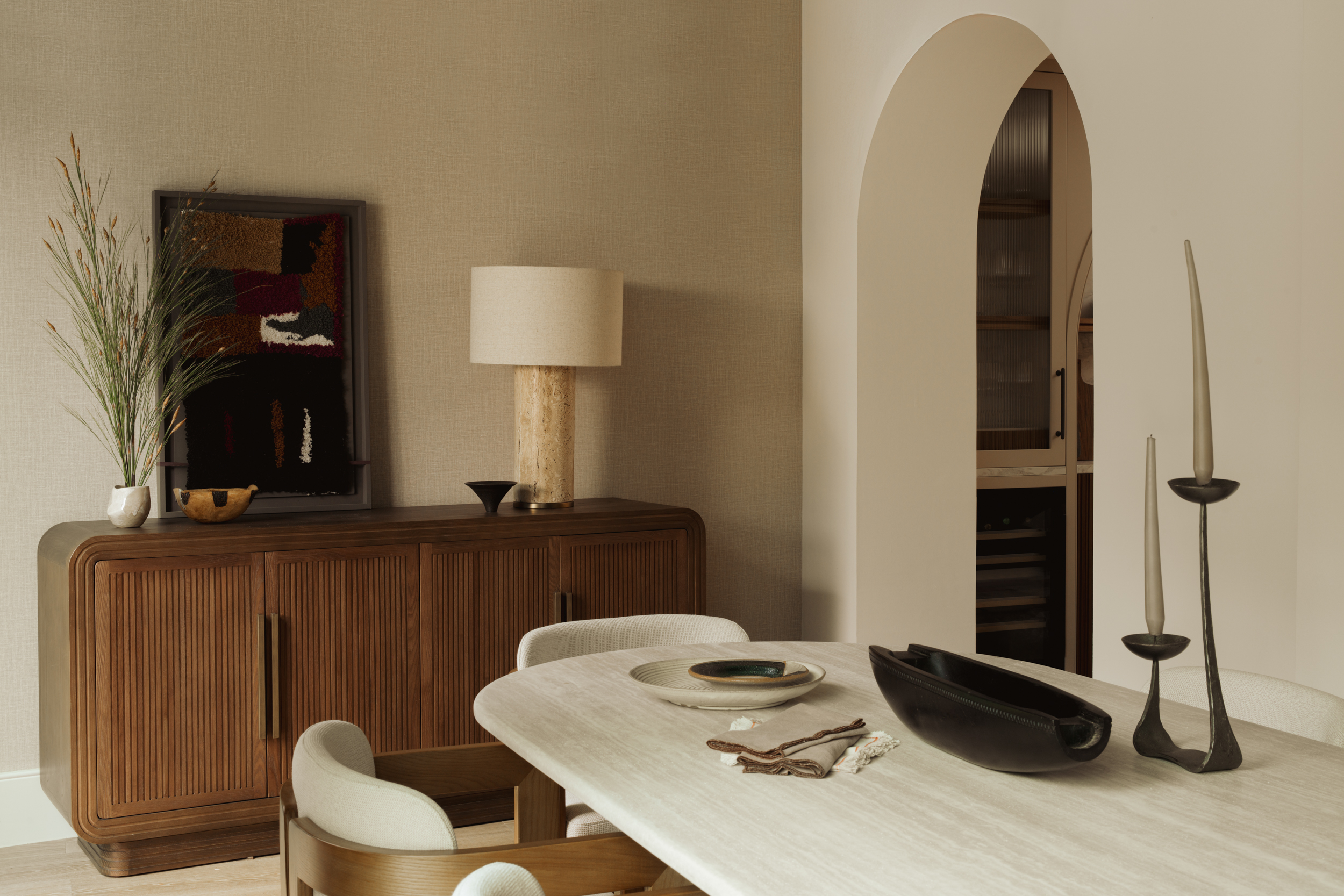
Technical Coordination with Trades
Design only works if it can be built properly.
Once we confirm the layouts and materials, we move into technical coordination. This involves:
- Detailed joinery drawings and setting out
- Coordination with electricians, plumbers and builders
- Resolving junctions and tolerances
- Identifying conflicts before they reach site
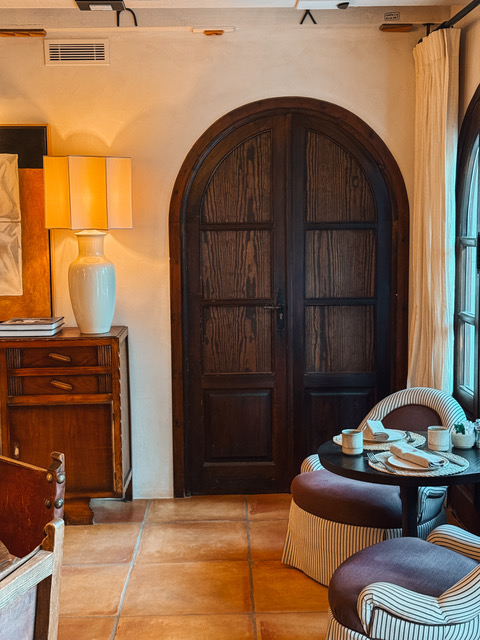
This stage is particularly important in period properties. Older buildings rarely match the drawings perfectly, and designers must create bespoke joinery that accommodates irregularities without compromising finish quality.
We've learned to build in tolerance for the unexpected. Walls aren't plumb. Floor levels vary. Door openings often differ in size from what the original plans show. A good set of technical drawings anticipates these issues.
Problems resolved at this stage cost time on paper, not money on site.
Procurement and Lead Times
Procurement is where most projects either stay in control or start unravelling.
We manage procurement with a clear understanding of lead times, sequencing and risk. This includes:
- Ordering long lead items early
- Coordinating deliveries with site readiness
- Avoiding rushed installations
- Preventing substitutions that dilute the design
This is often where pressure builds, especially when timelines feel tight. Our role is to remove that pressure by making and locking in decisions in advance.
On a recent residential project in Cheshire, early procurement of bespoke joinery allowed the build programme to move forward without interruption. We avoided delays because we made decisions well in advance. The joinery workshop had twelve weeks' lead time. If we'd waited until the builder was ready for it, the entire project would have stalled.
Late decisions are expensive decisions.
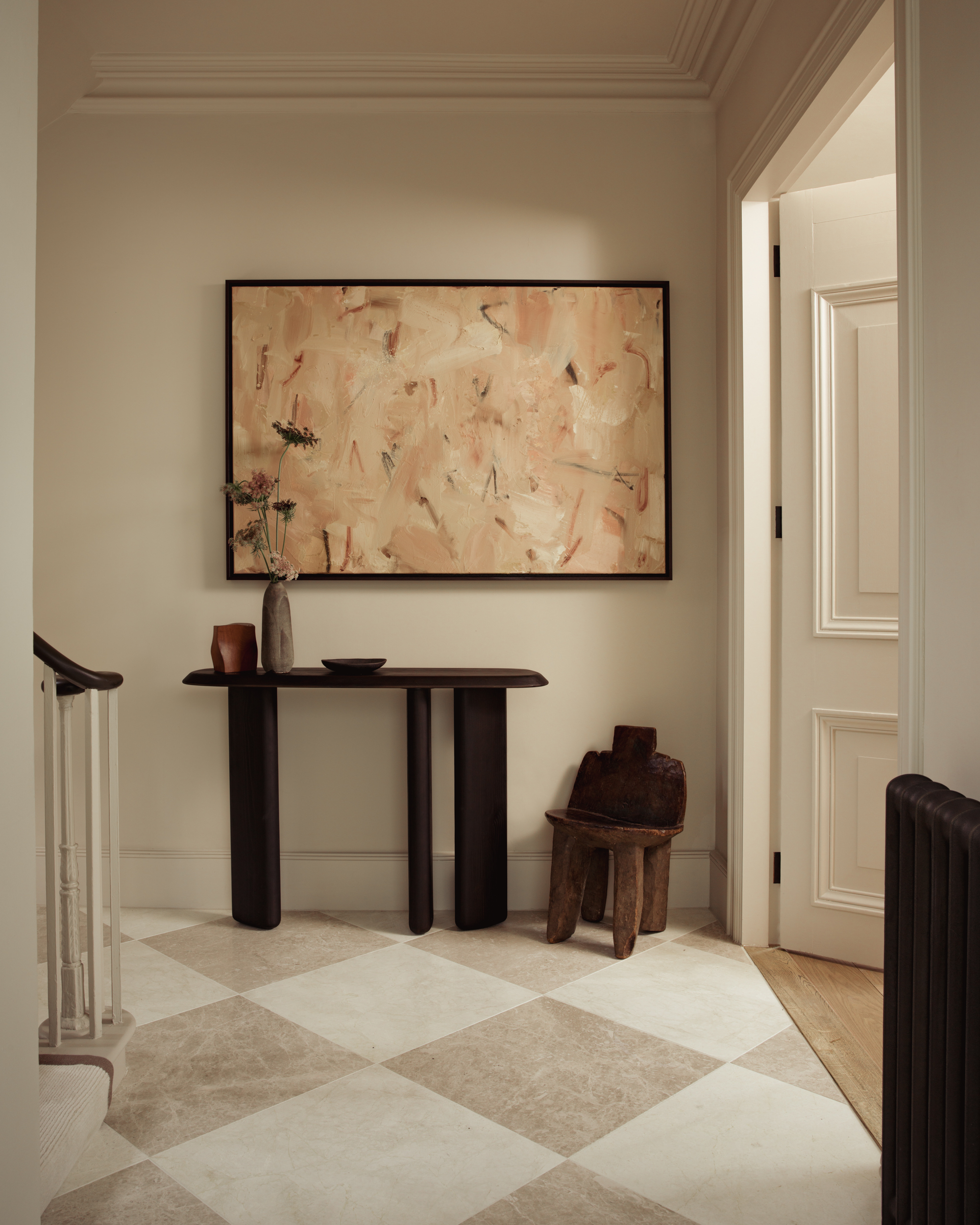
Site Visits and Final Styling
Installation isn't the end of the process. It’s the point where people test decisions.
Regular site visits ensure the team delivers the design as intended and addresses issues immediately, while it still has time to resolve them properly.
Do the interior styling last, after you execute everything else correctly. For commercial interiors, this means ensuring the space reflects the brand in a way that feels intentional and durable. For residential projects, it's often about restraint. Knowing when to stop is part of good design.
If you follow the process properly, you refine in the final stage, not correct.
Why This Process Matters
Structure isn't restrictive. It is protective.
Over time, we've learned that a clear process does more than protect budgets and programmes. It protects clients from unnecessary stress, rushed decisions and costly compromises.
It keeps:
- Budgets under control
- Programmes realistic
- Design intent intact
- Trades working from clear information
Whether we're delivering luxury interior design in Cheshire, a period home renovation or a commercial interior in Hale or Wilmslow, the process remains consistent because it works.
Ready to Start a Project the Right Way?
Before you spend a penny on builders or finishes, book a 30-minute Project Scoping Call. We’ll review your brief, spot issues early, and outline a realistic plan for budget, programme, and design intent.
No obligation. Just clear guidance on what happens next.
Get in touch to discuss your project
Brief to Build: Your Questions Answered
Why is a structured design process so important?
Because decisions affect each other. Making them in the wrong order leads to rework, delays and unnecessary cost. We’ve seen projects balloon by 40% simply because teams made layout decisions after they selected materials.
Can you work with my existing builder or contractor?
Yes. We regularly work alongside established teams. Our drawings and coordination help ensure everyone is working from the same information, which actually makes builders' lives easier.
When should you involve an interior designer?
As early as possible. Early involvement ensures teams make correct layout, services, and procurement decisions from the outset. Clients often tell us they wish they'd brought us in sooner, it would have saved them money.
Do you design bespoke joinery?
Yes. Bespoke joinery is central to our residential work, particularly in period home renovations. All joinery is fully detailed and coordinated with site conditions. We work with specialist workshops who understand the level of precision required.
Do you work on commercial as well as residential projects?
We do. The same structured approach applies to both, with adjustments made for operational and regulatory requirements. Commercial fit-outs have different priorities—durability, brand consistency, operational efficiency, but the design process remains the same.